Choosing the Right Garnet Grit Mesh for Sandblasting
News 2026-10-29
Selecting the correct garnet grit mesh is the most important step to get consistent anchor profile, fast cleaning speed and controlled abrasive consumption in sandblasting. A wrong grit choice will either leave residual rust and mill scale or create an overly rough surface that wastes coating material. This guide matches garnet mesh grades with common blasting scenarios for steel surface preparation.
Mesh size directly controls the depth of anchor profile. Coarser garnet grains deliver deeper roughness for heavy corrosion, while finer grains create a shallow and uniform profile for thin coating systems. Many coating datasheets specify a required Rz profile range in microns, so the garnet grade must be selected to meet that specification.
| Grade | Mesh Range | Best Application |
|---|---|---|
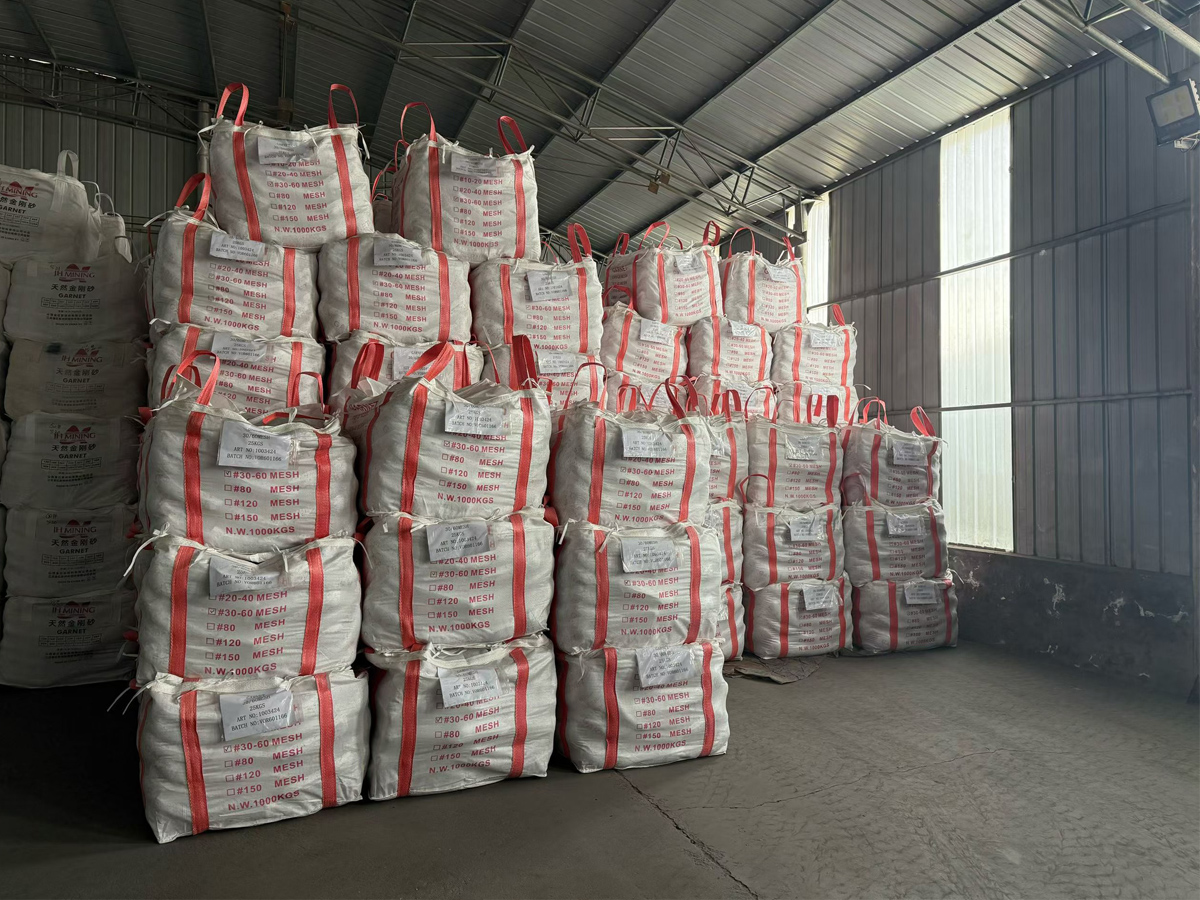
| B24 | 20–40 mesh | Heavy rust, thick steel plates, tank bottoms, wind tower components |
| B60 | 30–60 mesh | General structural steel, tank walls, ship decks, pipeline outer surface |
| 80 mesh | 70–90 mesh | Light rust removal, fine finishing, thin paint and topcoat preparation |
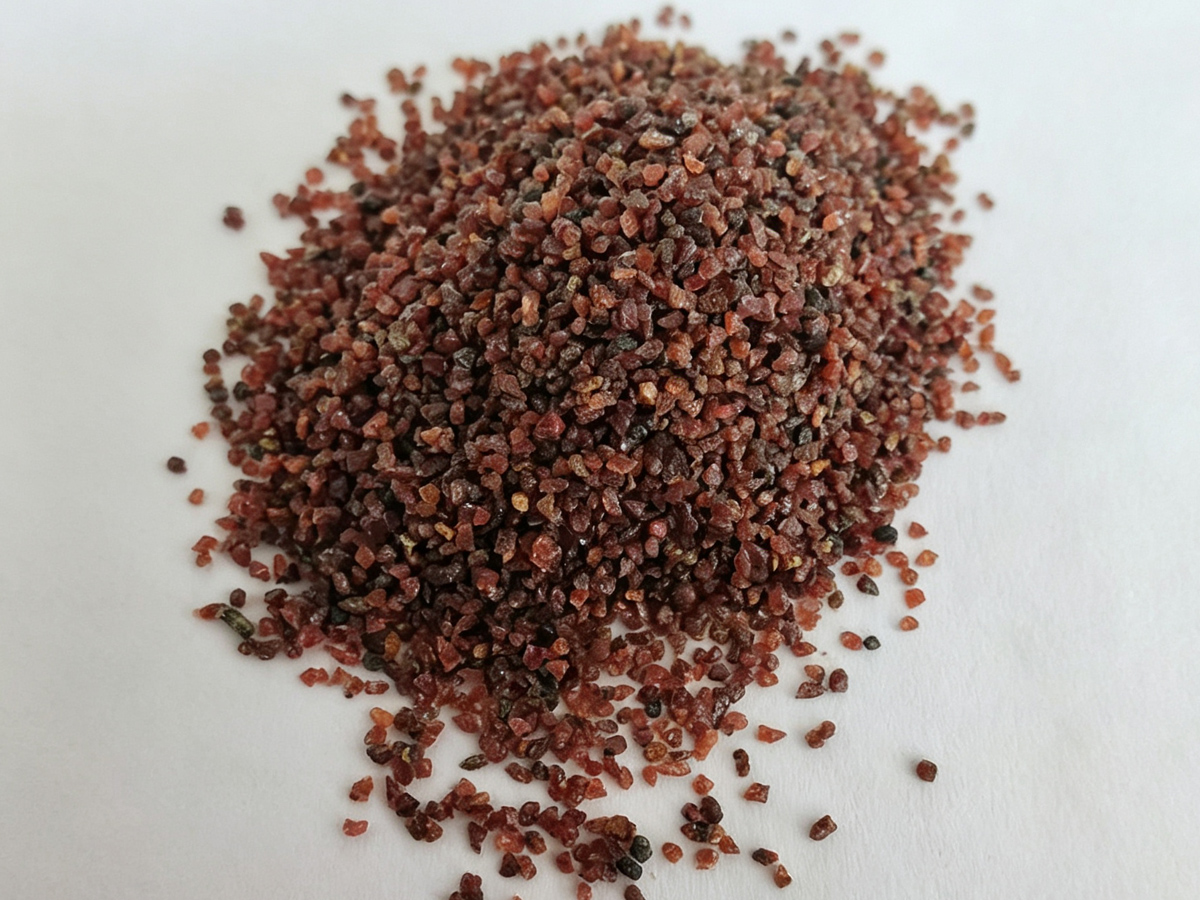
Follow these simple selection rules for daily blasting work. For heavy rust and thick mill scale on carbon steel, choose 20–40 mesh garnet to cut through contamination efficiently. For most routine industrial blasting jobs, 30–60 mesh B60 garnet remains the universal standard, balancing cleaning speed, profile quality and consumption. If you only need light cleaning or preparing surface for thin coating, 80 mesh garnet provides a smooth, shallow anchor profile.
Blast pressure should also be adjusted together with grit size. Coarse garnet works well under standard nozzle pressure, while finer garnet needs slightly lower pressure to avoid over-etching the steel substrate. Always run a small test patch on your steel before starting large-scale blasting projects.
If you are not sure which garnet mesh suits your project, share your steel condition, coating type and target profile, and we will recommend the proper grade and blasting parameters.