Garnet Blasting Media Cost: Consumption, Reuse & Savings
News 2026-10-29
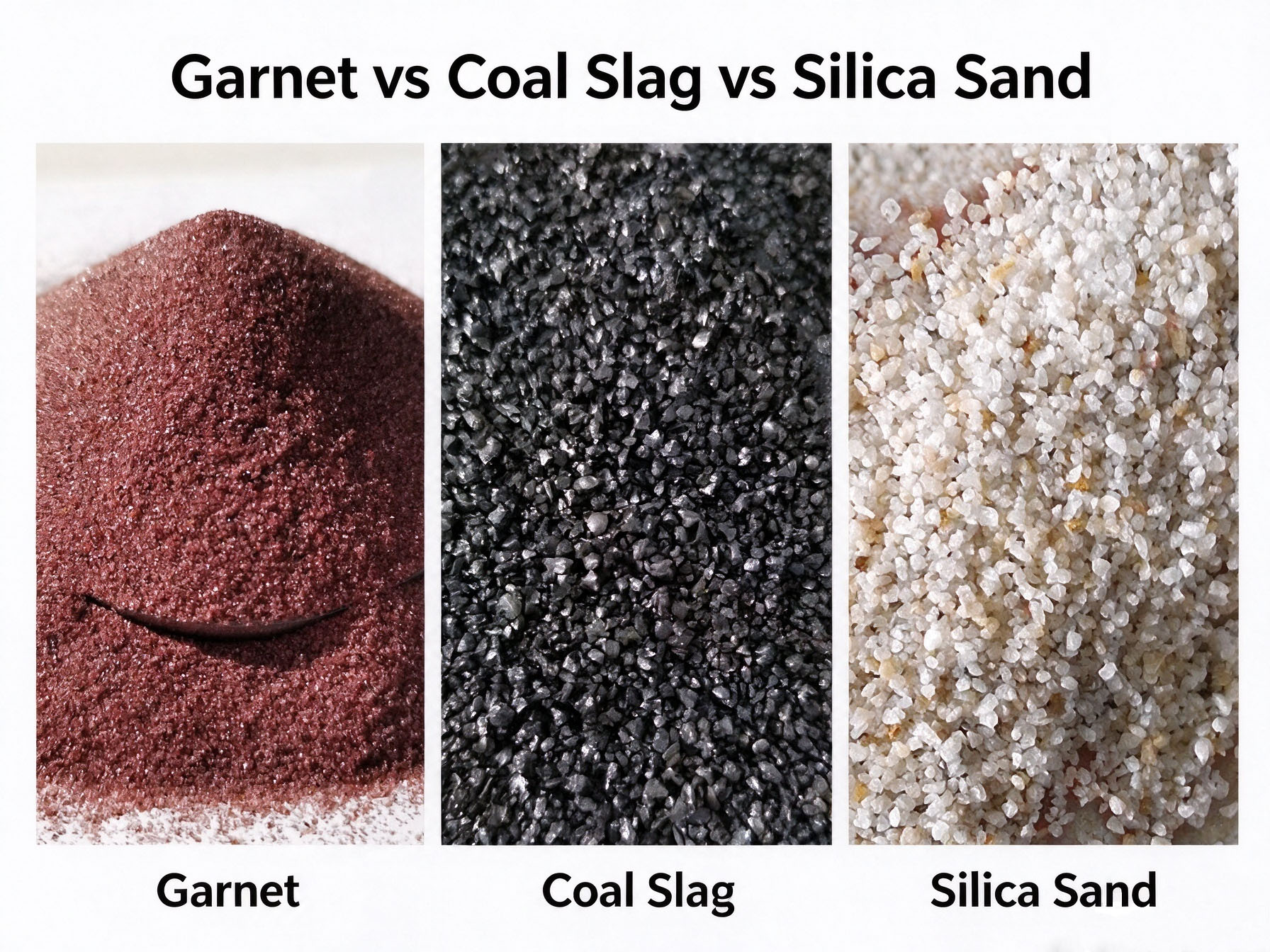
Many buyers only compare the price per ton when selecting blasting abrasives. But the real project cost depends on consumption rate, reuse cycles, waste disposal cost, productivity and rework risk. Garnet can deliver better total economy even when its unit price is higher than slag.
What Drives Blasting Cost
- Consumption per square meter: heavily rusted steel and coarse garnet usually consume more abrasive; clean new steel with light mill scale consumes much less.
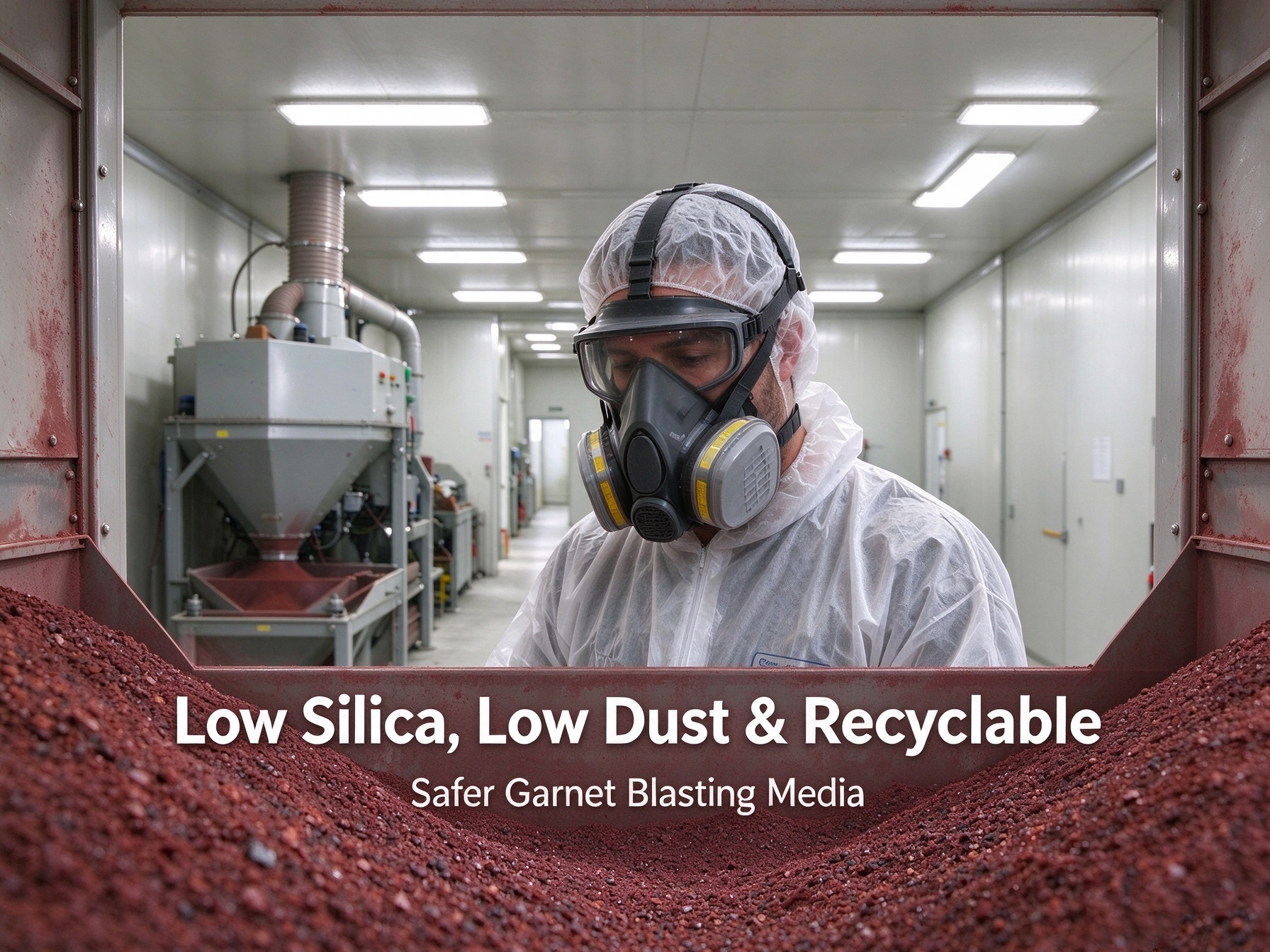
- Reusability: inside blast rooms fitted with recovery and separation system, garnet can be reused multiple times, spreading the purchase cost over many cycles and lowering cost per finished square meter.
- Disposal cost: single-use slag generates large waste volume and high landfill fees; recyclable garnet reduces waste output.
- Productivity: garnet produces consistent profile and clean surface in fewer blast passes, saving working hours and labour cost.
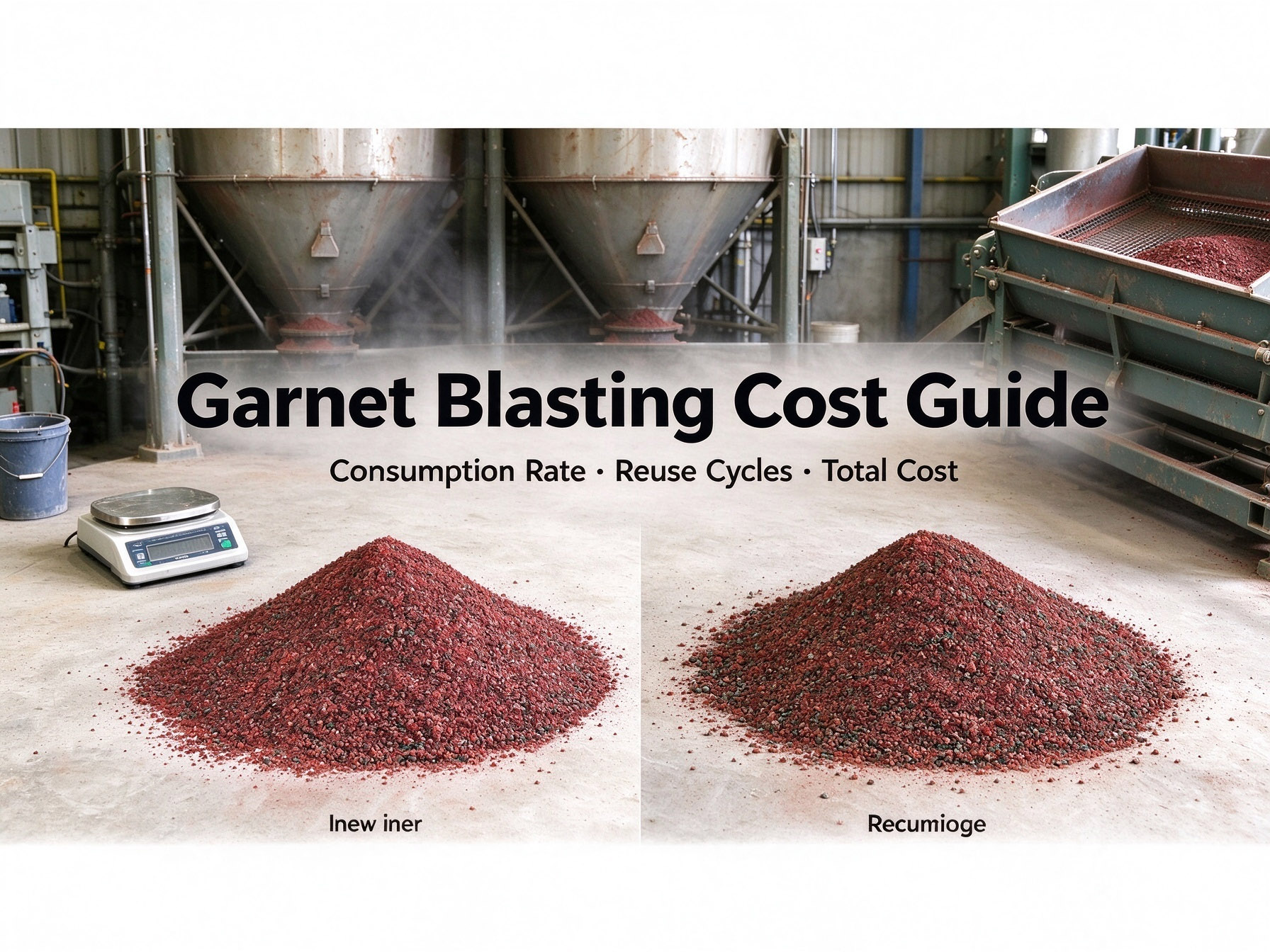
For open-air field blasting without recovery, garnet cannot be recycled. In this scenario, low unit-price slag may look attractive, but you still need to calculate dust control, site containment and rework risk.
How to Estimate Your Blasting Cost
- Record steel rust condition and required cleanliness standard.
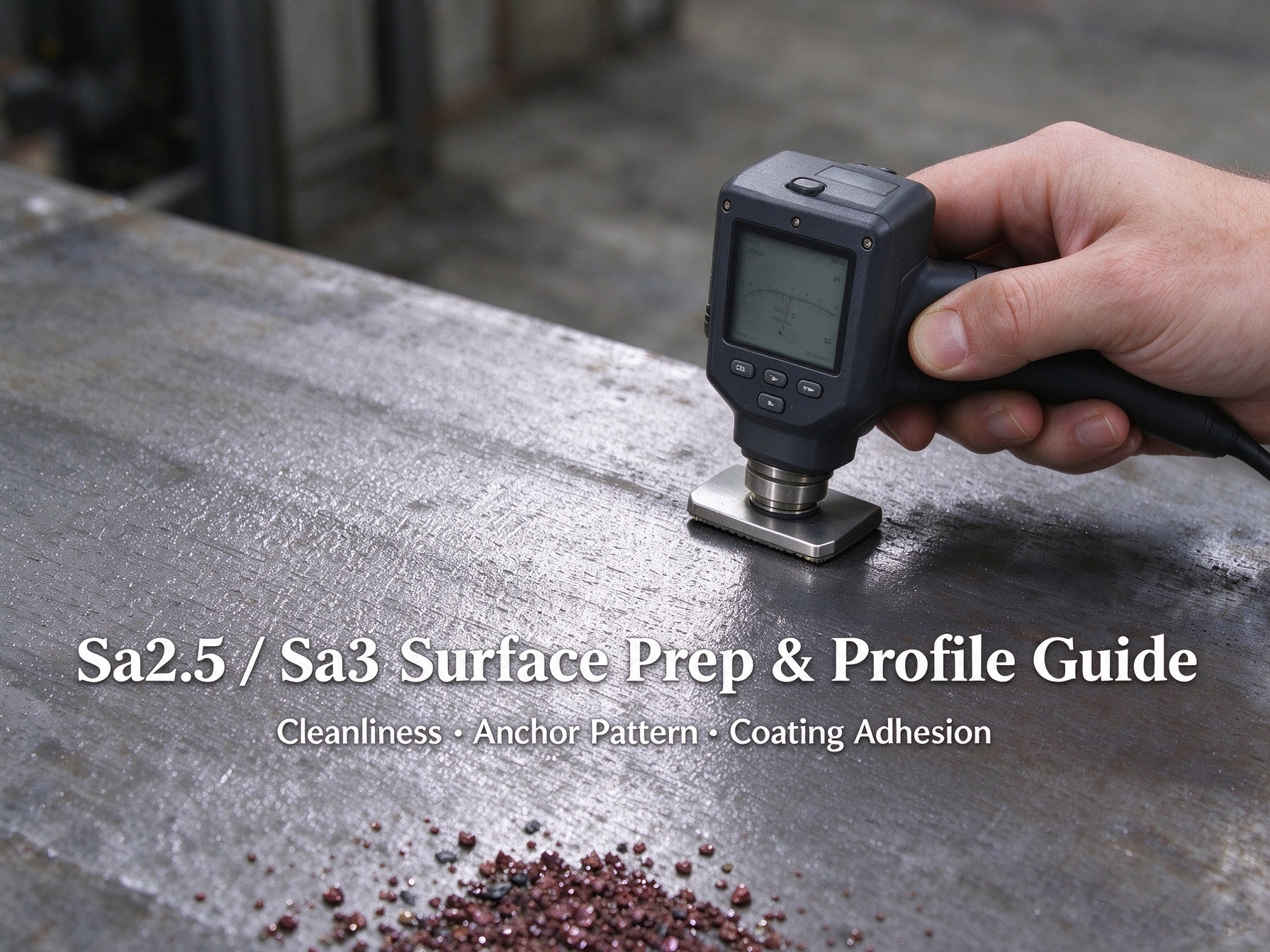
- Select garnet mesh matching target anchor profile.
- Run trial blasting to test actual consumption per m².
- Count reuse cycles if a recovery system is available.
- Add transport, disposal and labour cost for a full comparison.
Cost saving tips: select the coarsest garnet that still meets profile requirement, maintain blast recovery equipment, and screen recycled garnet regularly to remove fine dust. Stable garnet quality reduces unexpected rework on large contracts.
Contact us for bulk pricing and consumption estimation based on your project size and steel condition.