Garnet Sand for Steel Structures, Tanks, Pipes & Bridges
News 2026-10-29
Structural steel, storage tanks, oil and gas pipelines and bridges form the backbone of industrial infrastructure. Long-term anti-corrosion performance starts with high-quality surface blasting, and garnet sand is widely adopted by fabricators and field maintenance teams for these steel assets.
Structural Steel and Fabrication
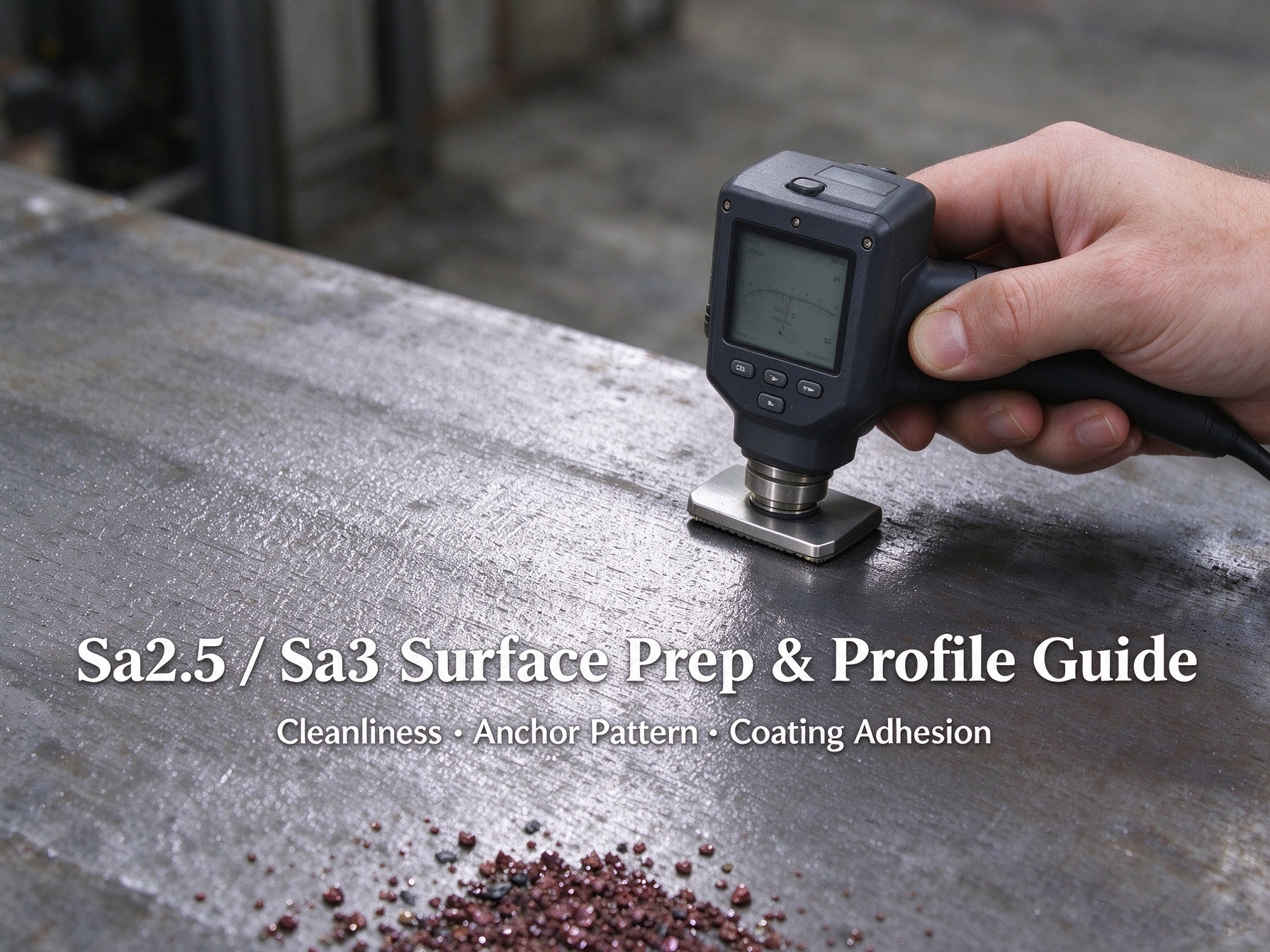
Structural steel beams, columns and fabricated frames are commonly blasted in shop or on-site. B60 (30–60 mesh) garnet is the mainstream grade. It balances cleaning speed, profile uniformity and abrasive consumption, perfect for achieving Sa 2.5 cleanliness before epoxy or polyurethane coating.
Storage Tanks
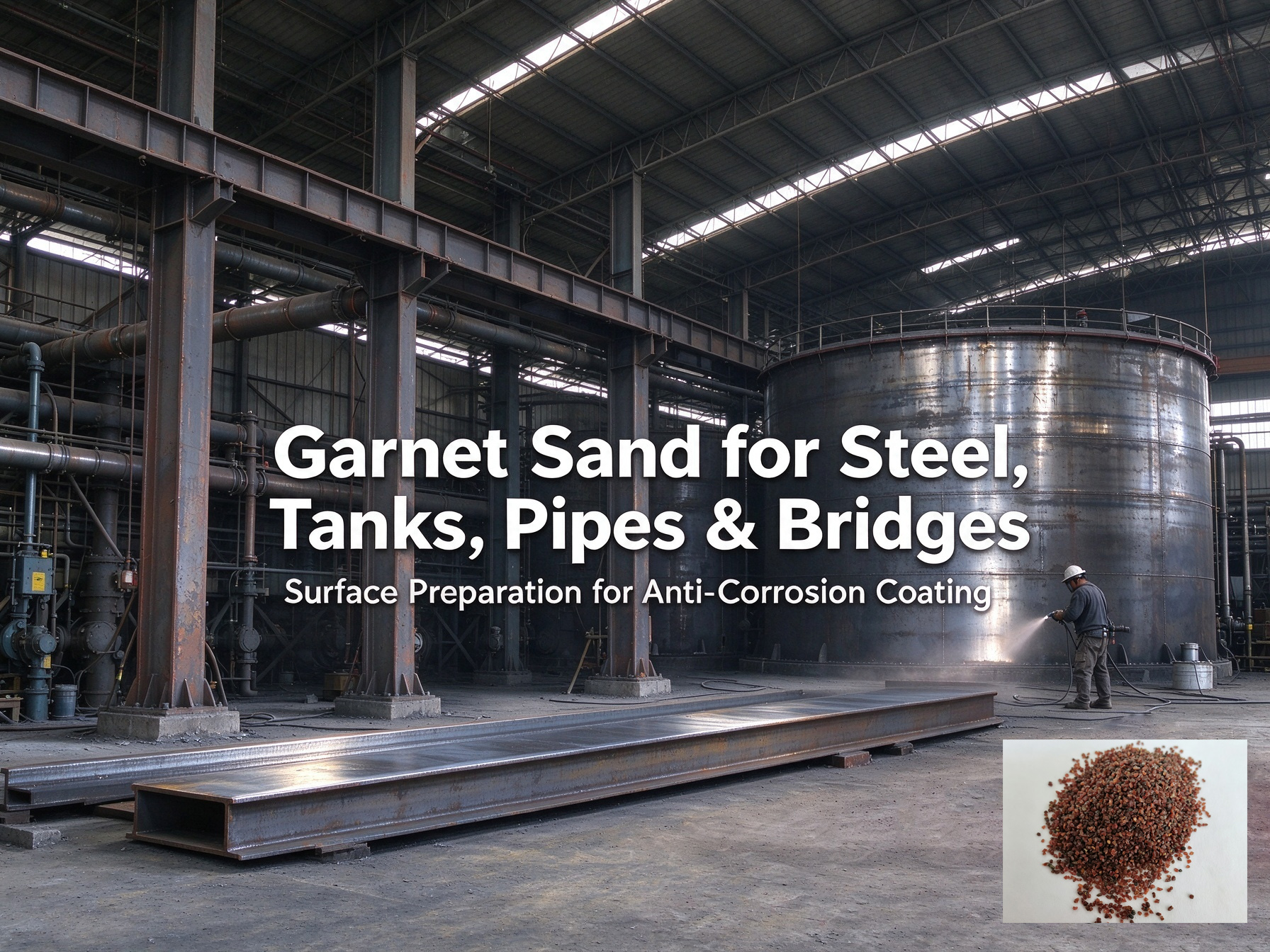
Tank blasting has different needs for different zones. Tank bottom plates suffer heavy sediment corrosion and thick rust, so contractors choose coarser 20–40 mesh garnet to remove heavy scale and old lining. Tank shell walls and roofs normally use 30–60 mesh garnet for a controlled anchor profile. Low-chloride garnet is essential for tanks holding water, crude oil and chemical media.
Oil and Gas Pipelines
Pipeline external and internal surface preparation before FBE, 3LPE or other coating systems calls for uniform cleanliness and profile. Garnet produces repeatable anchor profile along long pipe joints and straight sections, avoiding uneven coating thickness and premature failure.
Bridges and Infrastructure
Bridges and outdoor steel infrastructure are exposed to rain, humidity and atmospheric corrosion. Garnet efficiently removes weathered rust and aged paint during maintenance blasting, providing a solid base for new protective coating.
Recommended Grades at a Glance
- 20–40 mesh: tank bottoms, thick steel plates, heavy rust
- 30–60 mesh: structural steel, tank walls, pipelines, bridges
- 80 mesh: light cleaning and fine profile finishing
Share your coating specification and steel condition, we will recommend suitable garnet grade for your blasting project.