Waterjet Cutting Garnet: Mesh, Consumption & Cost Guide
News 2026-10-29
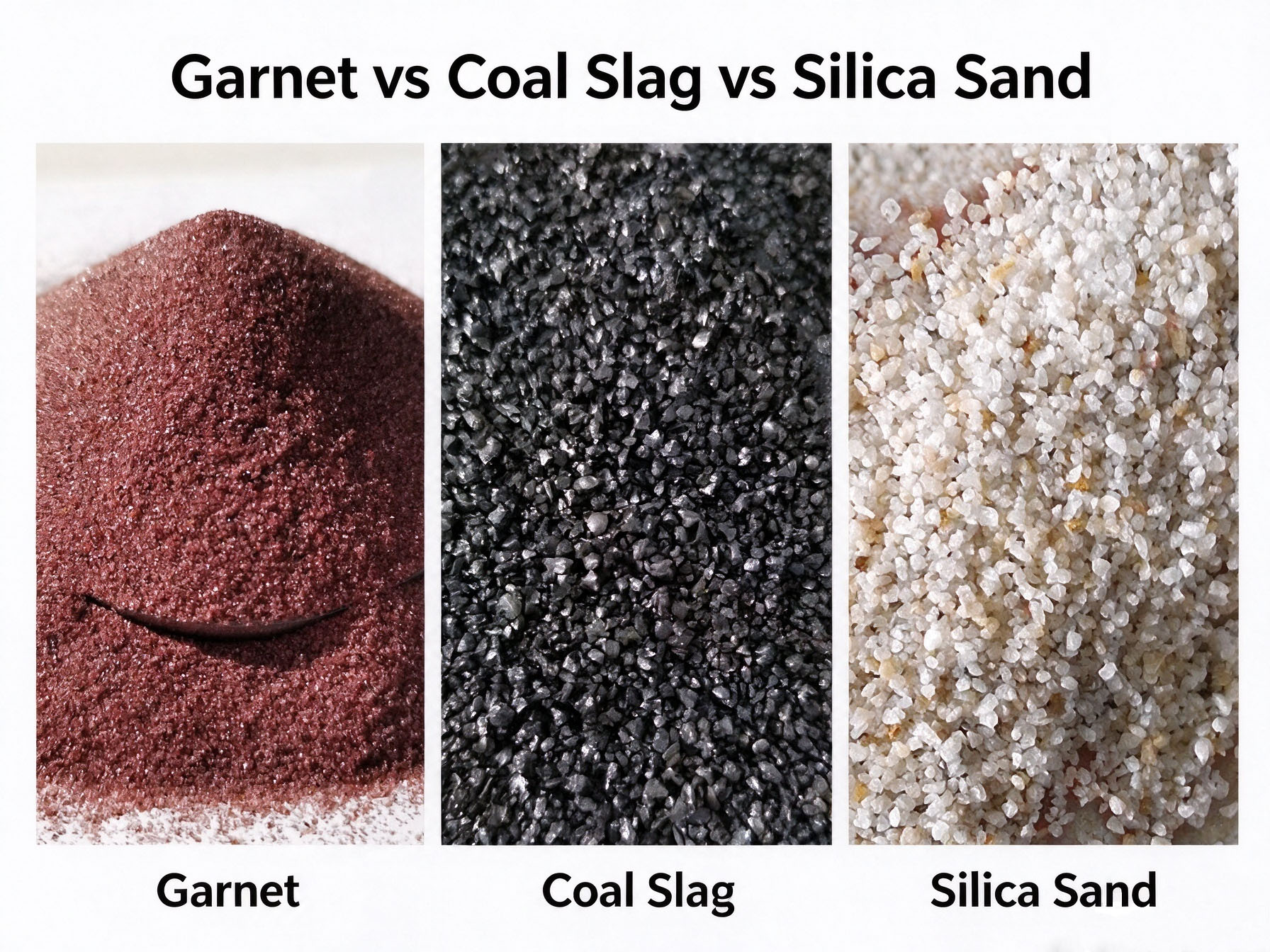
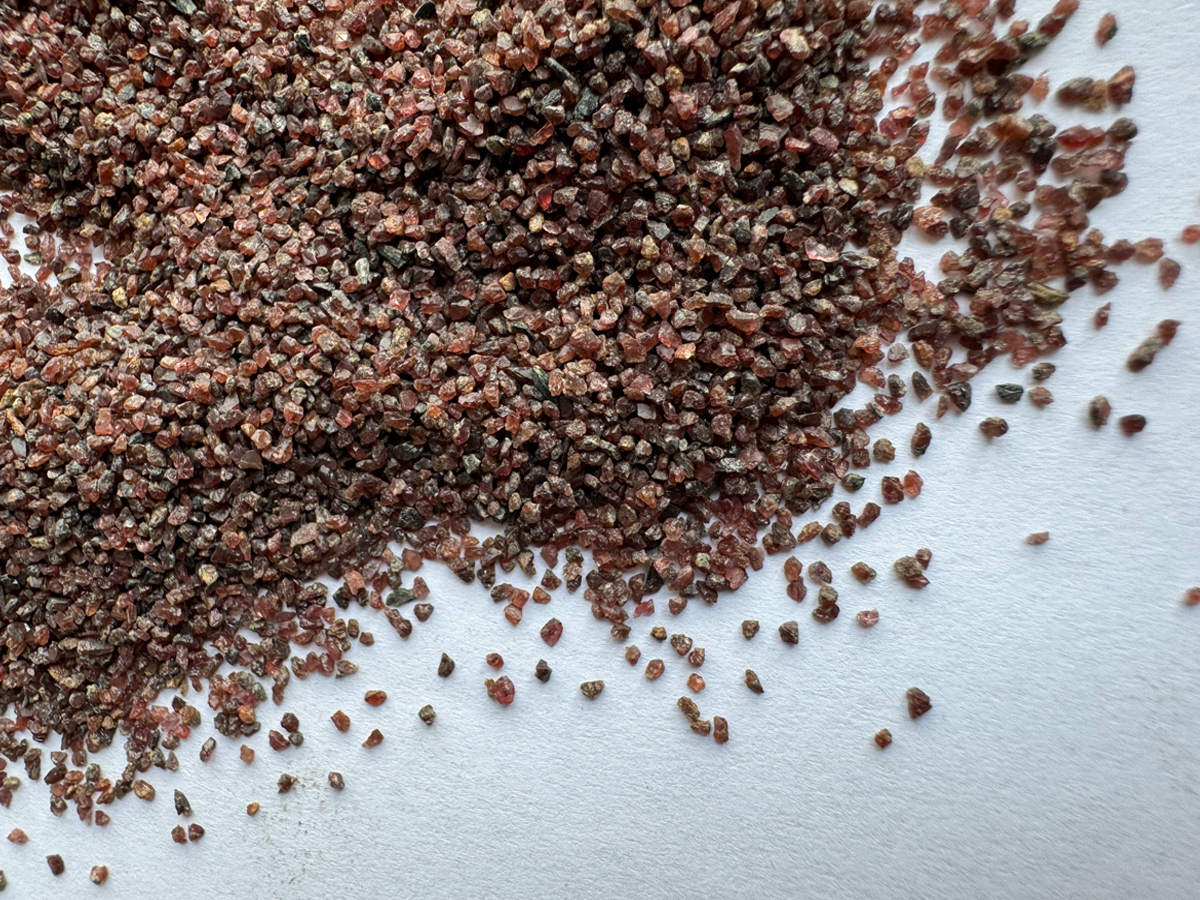
Pure high-pressure water cannot cut metal, stone, glass or composite materials. Abrasive waterjet machines rely on garnet grit as the cutting medium. Waterjet-grade garnet must be clean, well-graded, free of excessive fine powder and free-flowing to avoid clogging the hopper, orifice and mixing tube.
80 Mesh vs 120 Mesh
80 mesh garnet is the universal standard. It provides excellent cutting speed and acceptable edge finish for carbon steel, stainless steel, aluminium, granite and most common stone. Most waterjet workshops keep 80 mesh garnet as stock for daily production.
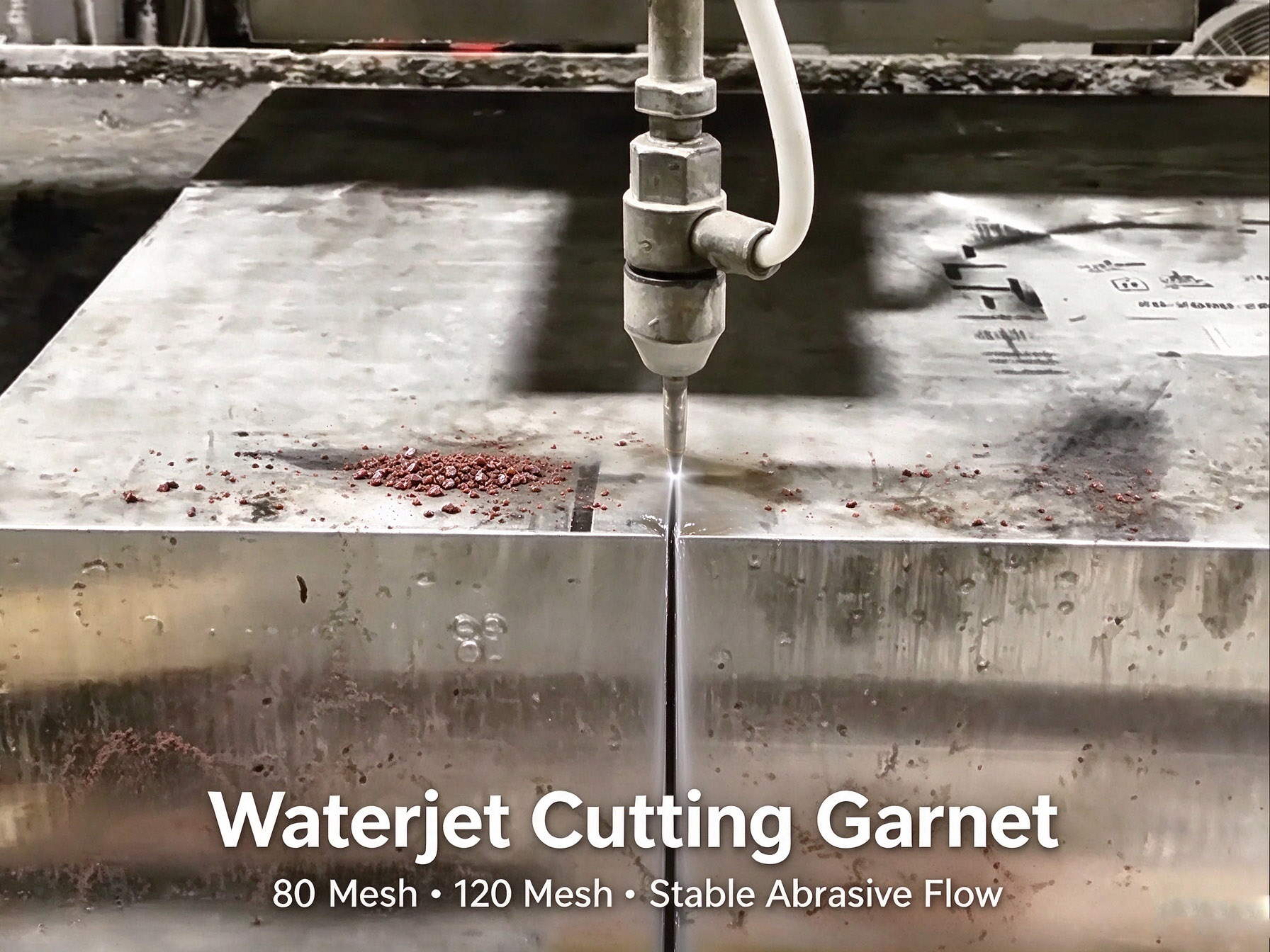
120 mesh garnet is selected for precision cutting, thin sheets and parts requiring smooth edge quality. It delivers finer surface finish, but cutting speed is slower, and it usually consumes more garnet per cutting length.
Abrasive consumption is the largest variable operating cost for waterjet shops. Consumption rate changes with pump pressure, orifice size, mixing tube diameter, material thickness and cutting speed. Thicker metal needs higher garnet flow rate. Thin precision parts can run lower flow to save cost.
Good storage management is important for waterjet garnet. Garnet must be kept dry and sealed. Moisture causes caking and blockage inside the abrasive delivery line, which stops cutting and damages consumable parts. Regular inspection of mixing tube wear also helps stabilize cutting quality.
Simple cost optimization tips: select the coarsest mesh that meets your edge finish requirement, set the minimal abrasive flow that still achieves full cutting, and store garnet in dry warehouse.
We supply bulk waterjet garnet of 80 mesh and 120 mesh. Tell us your machine model and common cutting materials, we will give suitable grade suggestion.