30/60 Mesh Garnet Sand for Sandblasting: SA2.5 Blast Grade
Item: Details
Product Name: 30/60 Mesh Garnet Sand, Blasting Grade Almandine Garnet
Grade: 30/60 mesh (0.25 – 0.6 mm)
Raw Material: Natural Almandine Garnet
Mohs Hardness: 7.5-8.0
Specific Gravity: 3.8-4.1 g/cm3
Bulk Density: 1.9-2.1 g/cm3
Chloride Content: less than 25 ppm
Core Advantages: True 30/60 sizing, angular grains, low chloride, no free crystalline silica, good recyclability
Typical Use: SA2.5 / SA3 blasting of structural steel, ship hulls, ballast tanks, storage tanks and pipelines
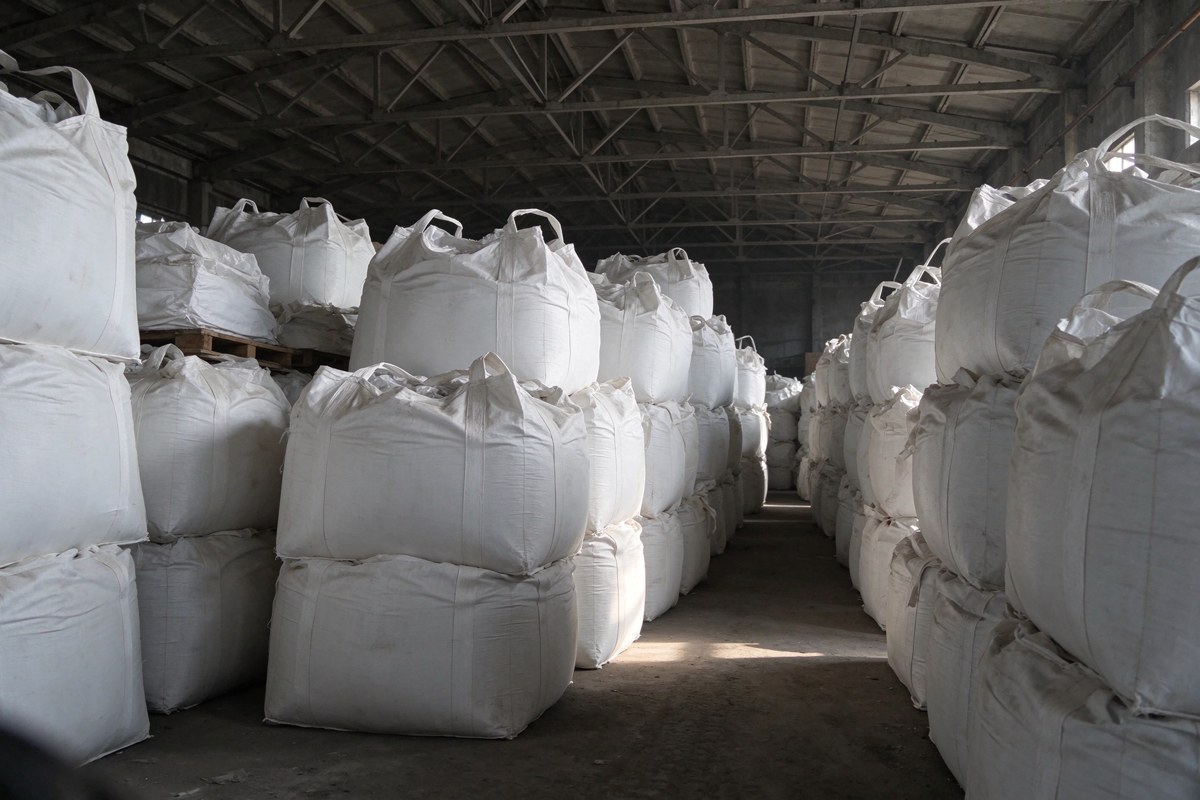
Packing: 25kg bag / 1000kg jumbo bag / 2000kg jumbo bag
Category:Garnet sand
Product Details
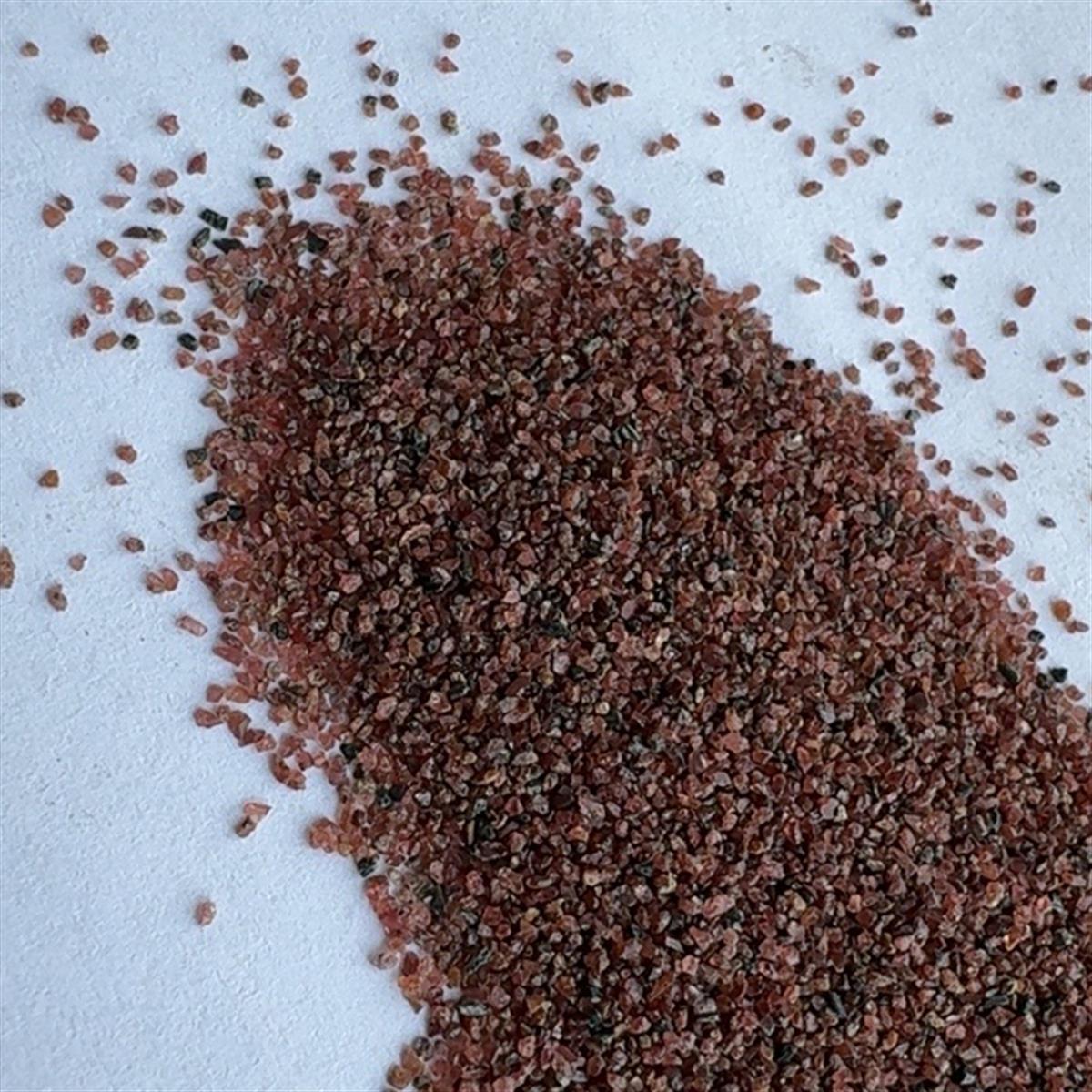
30/60 mesh garnet is the grade most blasting crews reach for when the job needs steel cleaned fast without leaving a surface too rough for the primer. It passes a 30 mesh sieve and is retained on a 60 mesh sieve, so the grains run roughly 0.25–0.6 mm — coarse enough to bite into mill scale, fine enough to stay inside a SA2.5 profile.
What “30/60” Actually Means
The number is a sieve pair, not a particle size. Everything finer than 30 mesh and coarser than 60 mesh goes into the bag: about 60% of the grains sit between 0.3 mm and 0.5 mm, with a small tail either side. That band is why 30/60 cuts faster than 80 mesh but leaves a far more even surface than 20/40.
If you are comparing grades, the trade-off is simple: coarser grit cuts faster and leaves a deeper profile; finer grit gives a smoother finish and uses less air. 30/60 sits in the middle and covers most general steel work.
Specification
| True density | 3.8–4.1 g/cm³ |
| Bulk density | 1.9–2.1 g/cm³ |
| Mohs hardness | 7.5–8.0 |
| Chloride content | < 25 ppm |
| Acid solubility | < 1% |
| Conductivity | < 150 µS/cm |
| Melting point | 1300 °C |
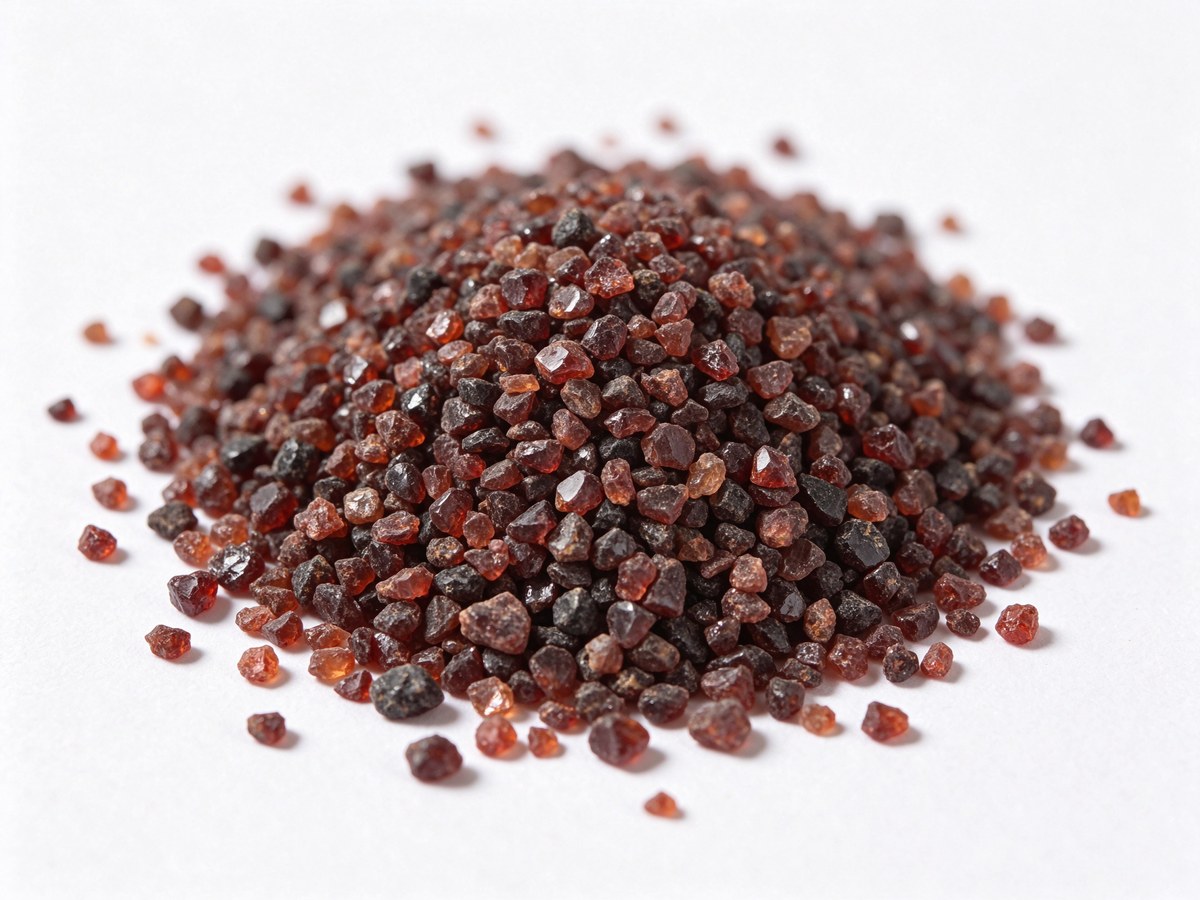
| Grain shape | Angular, dodecahedral |
Chemical Composition
| Fe₂O₃ + FeO | 25% |
| SiO₂ | 39% |
| Al₂O₃ | 20% |
| CaO | 9.5% |
| MgO | 5% |
| TiO₂ | 1% |
| MnO | < 0.3% |
| Na₂O | < 0.3% |
Iron-aluminium garnet is a natural mineral, so the analysis above is a typical range rather than a fixed recipe. Batch test reports are issued against the actual shipment.
Where 30/60 Garnet Works Best
- Structural steel and fabrication shops — mill scale, rust and old paint before priming
- Ship hulls, ballast tanks and offshore modules — where chloride limits are written into the spec
- Storage tanks, pipelines and pressure vessels — internal and external blast prep
- Bridges, rail wagons and heavy machinery — repair and re-coating work
- Castings, forgings and welded assemblies — cleaning before NDT or painting
Blast Results: Profile and Speed
On clean structural steel, 30/60 garnet reaches SA2.5 comfortably and SA3 with a slower pass or a second sweep. Expect an anchor profile of roughly 50–75 µm, which sits inside the window most paint systems ask for on 3–6 mm plate.
Consumption usually lands between 1.5 and 2.2 kg per m² for a single-pass SA2.5 job, depending on air pressure, nozzle size and how much grit you recover. Because garnet is a heavy, tough mineral, a well-set recyclable system can run a 30/60 charge several times before top-up.
Low Chloride and No Free Silica
Two numbers matter more than most buyers realise: chloride below 25 ppm and conductivity below 150 µS/cm. Soluble salts left on a blasted surface are the main cause of early coating failure, which is why offshore and marine specifications now test for them. Every batch we ship is washed and checked on both.
The material is also free of free crystalline silica, so blasting crews are not exposed to the respirable dust that comes with silica sand. If you are still blasting with silica, this comparison of garnet, coal slag and silica sand covers cost per square metre rather than cost per tonne.
Packing, Loading and Delivery
- 25 kg PP bags on shrink-wrapped pallets — good for yards with manual handling
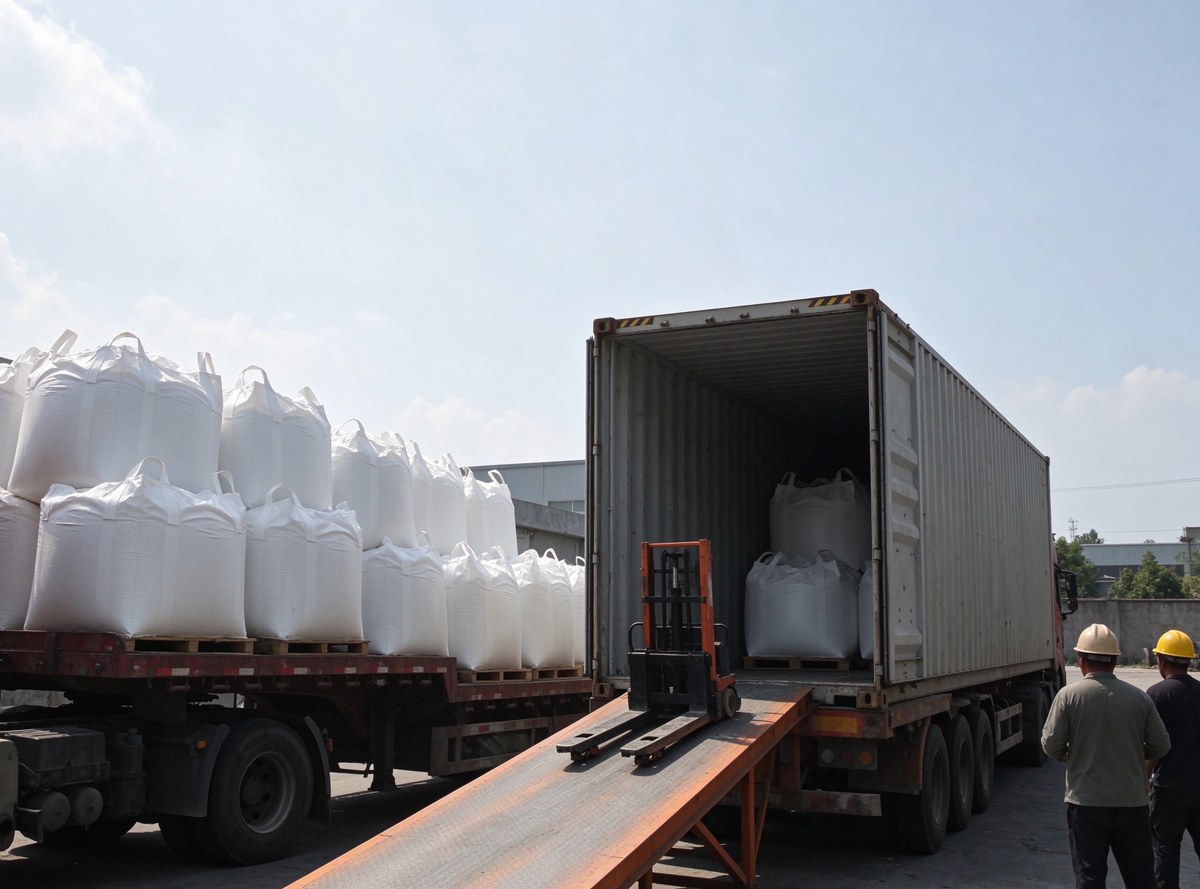
- 1 tonne and 2 tonne jumbo bags — standard for container loading
- A 20′ container takes about 27 tonnes in 1-tonne jumbo bags
- Samples of 1–2 kg for your own blast test, sent by courier
- FOB and CIF terms from Tianjin or Qingdao, documents issued for each shipment
Quality Control
Each production batch is sieved and double magnetic-separated to pull out iron-bearing particles that would otherwise show up as rust spots after blasting. Grain size is checked against the sieve pair before bagging, and a batch report goes with the shipping documents on request.
Common Questions
Is 30/60 the same as B60?
B60 is shorthand used by several Chinese suppliers for 30/60 blasting garnet; the sieve pair is what actually matters. Ask for the mesh pair and the chloride figure, not just the letter code.
Can 30/60 hit SA3?
Yes on most plate, with a slower pass or a second sweep. If the specification is strict SA3 on thick, pitted steel, 20/40 or 16/30 will get there faster.
What is the minimum order?
One tonne for a trial, a 20′ container for full-container pricing. Mixed grades in one container are fine.
Do you supply low-chloride grade for offshore work?
Yes — specify the chloride limit and we test against it before loading.
Get a Quote
Send us the steel thickness, the standard you are blasting to (SA2.5 or SA3) and the profile your paint system needs. We reply with mesh recommendation, packing options and a landed price within 24 hours. Contact us here or browse the full garnet sand range.
Related reading: choosing the right garnet grit mesh, SA2.5 and SA3 profile guide, buying garnet in bulk.
Related reading: Waterjet garnet sand 80 mesh: cut speed, consumption and price · Garnet sand for rust removal: best mesh and cost per m²