White Fused Alumina: Precision Blasting, Polishing and Bonded Use
Item: Details
Product Name: White Fused Alumina (WFA)
Grades: F24 – F320, custom sizing on request
Chemical: Al2O3 99% min, Na2O less than 0.3%, Fe2O3 less than 0.1%
Mohs Hardness: 9.0
True Density: 3.8-3.9 g/cm3
Bulk Density: 1.5-1.8 g/cm3
Core Advantages: Iron-free, no contamination, sharp white grains, high purity
Typical Use: Precision blasting of stainless steel and titanium, polishing and lapping, bonded abrasives, ceramics, thermal spray
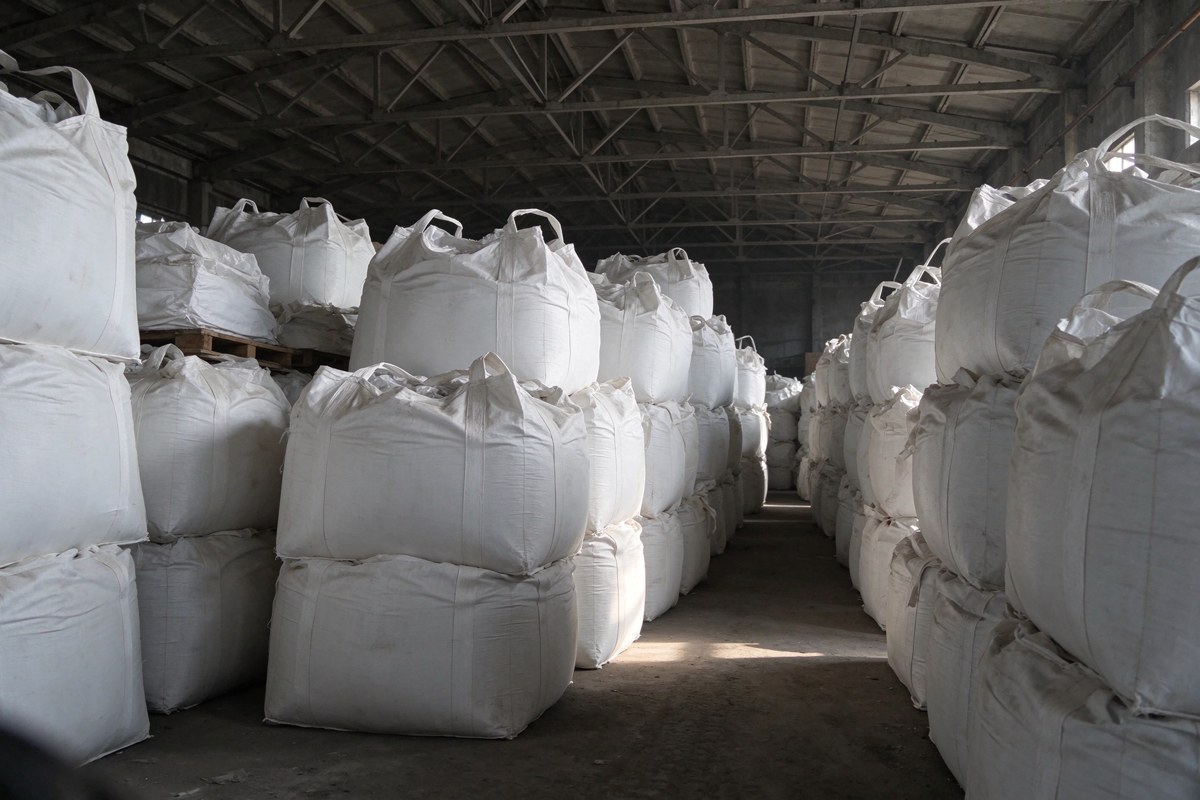
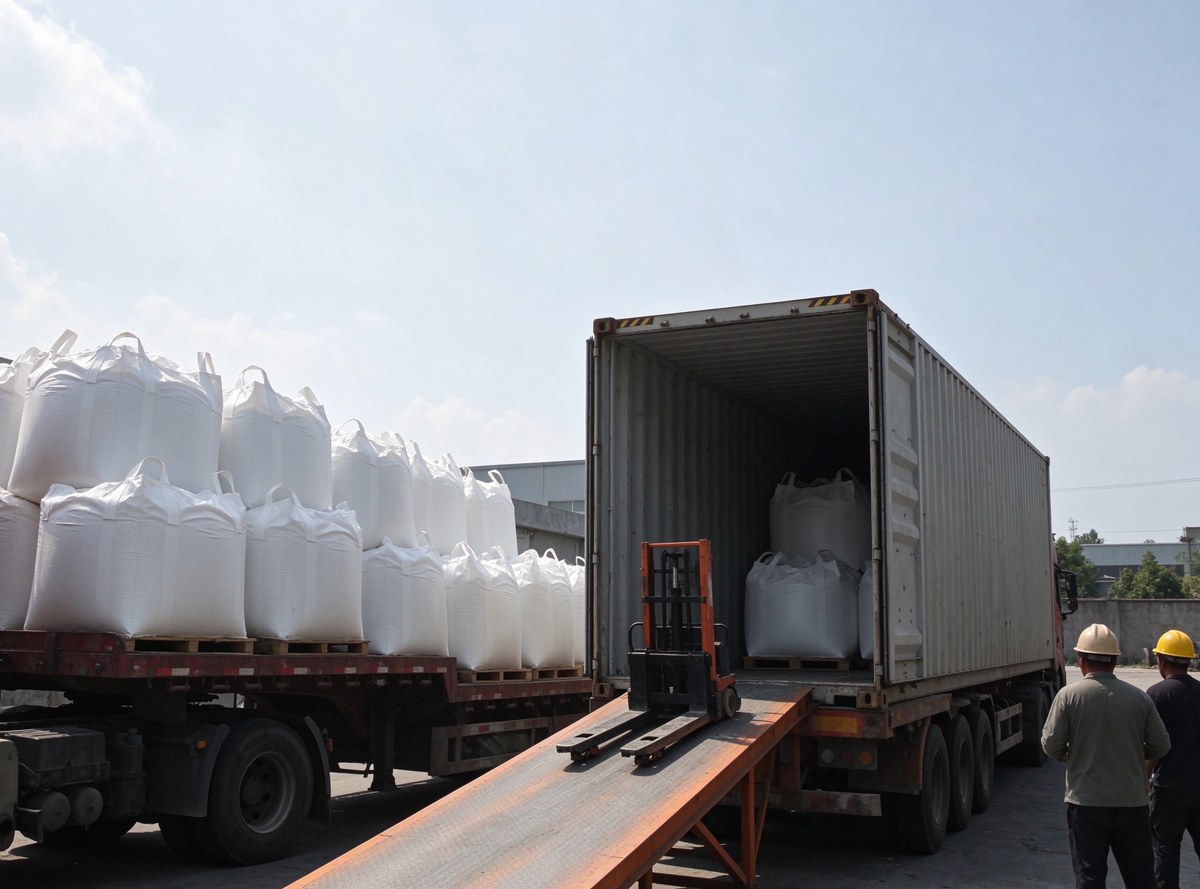
Packing: 25kg bag / 1000kg jumbo bag / 2000kg jumbo bag
Category:White Fused Alumina
Product Details
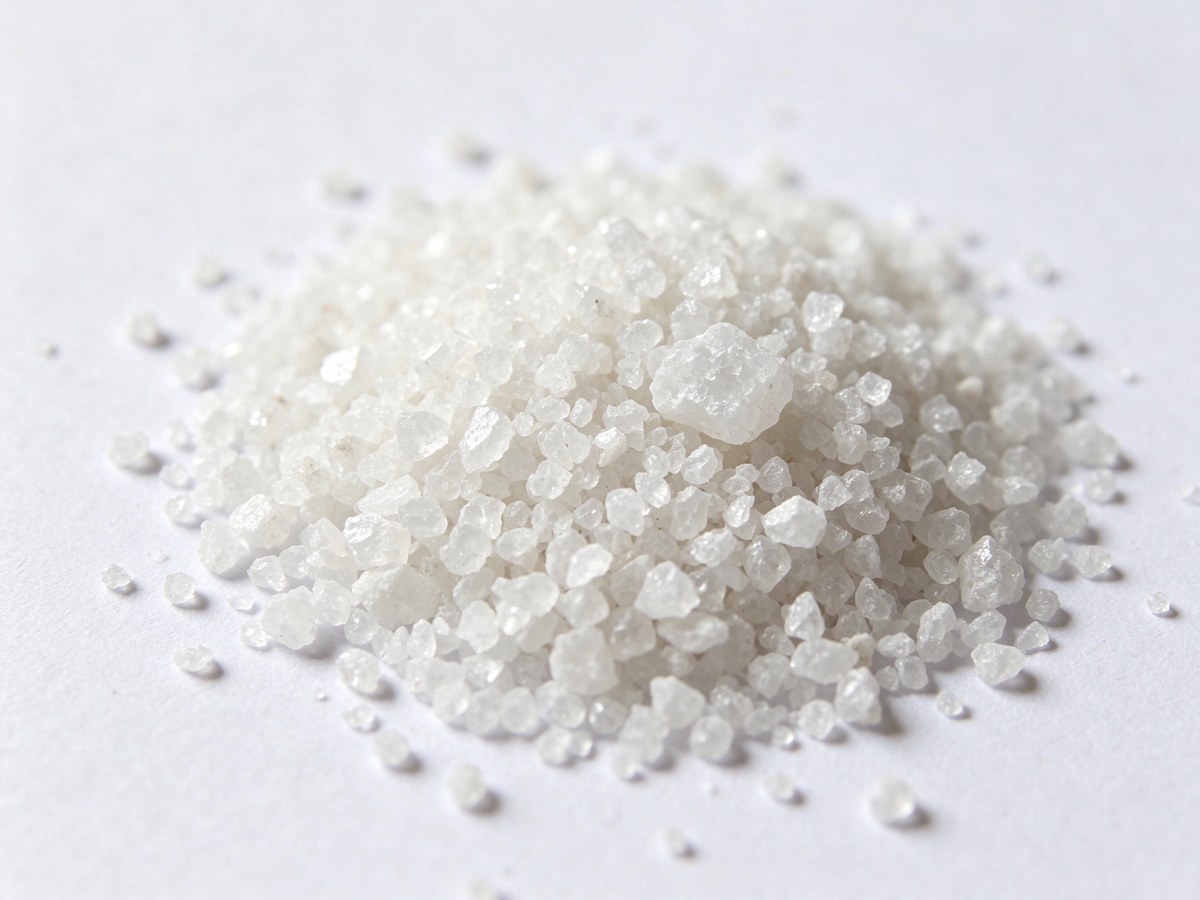
White fused alumina (WFA) is the pure end of the fused alumina family: alumina content typically 99% or higher, iron below 0.1%, and a clean white grain. The reason buyers pay a premium for it is usually not hardness — BFA is nearly as hard — but contamination.
Why Iron-Free Matters
Blast stainless steel, titanium, nickel alloys or aluminium with a media that carries iron, and you can embed iron particles in the surface. On stainless that shows up later as rust staining or as a failed acid passivation test; on titanium and aerospace work it can fail inspection outright. WFA removes that risk, which is why it is specified for pharmaceutical, food, medical and aerospace components.
It is also used as a lapping and polishing abrasive where a hard, friable, chemically inert grain is needed and colour contamination is unacceptable.
Typical Specification
| Al₂O₃ | ≥ 99% |
| Fe₂O₃ | < 0.1% |
| Na₂O | < 0.3% |
| SiO₂ | < 0.1% |
| Mohs hardness | 9.0 |
| True density | 3.8–3.9 g/cm³ |
| Melting point | about 2050 °C |
Where It Is Used
- Precision blasting — stainless, titanium, aluminium and medical parts where iron contamination is a reject
- Polishing and lapping — hard, friable grain for optical and tool surfaces
- Bonded abrasives — vitrified wheels and segments that need a clean, cool-cutting grain
- Ceramics and refractories — high-purity aggregate for technical ceramics
- Thermal spray — surface roughening before coating
Choosing a Grit
For cosmetic or pre-plate finishing, F120–F220 is common. For a defined anchor on stainless before coating, F24–F60 gives a faster cut with a visible profile. For lapping and polishing slurries, F240–F320. If you are unsure, order two grades and run a trial panel — the cost of a sample is far lower than the cost of re-blasting a batch.
Packing and Delivery
- 25 kg bags or 1 tonne and 2 tonne jumbo bags
- Batch certificates available on request
- Samples for trial blasting
Common Questions
Is WFA harder than BFA?
Practically similar at Mohs 9. The difference is purity and colour, not hardness.
Will it contaminate stainless steel?
No iron is introduced by the media itself. Keep the blasting area and recovery system clean to stay contamination-free.
Can WFA be recycled?
Yes in closed cabinets, though its friability means it breaks down faster than BFA.
Get a Quote
Tell us the material being blasted and your contamination limits, and we will recommend a grit and quote within 24 hours. Contact us here or see the white fused alumina range.