Steel Grit G12-G120: Shot Blasting Media for Steel and Foundry
Item: Details
Product Name: Steel Grit
Grades: G12 / G14 / G16 / G18 / G25 / G40 / G50 / G80 / G120
Hardness: HRC 40-50 (GP) and HRC 55-65 (GH)
Chemical: C 0.8-1.2%, Si 0.4-1.2%, Mn 0.6-1.2%
Bulk Density: 1.3-1.5 g/cm3
Core Advantages: Angular shape cuts fast, low breakage, recyclable many cycles, no silica dust
Typical Use: Shot blasting machines, foundry cleaning, descaling, stone gang saw, surface preparation
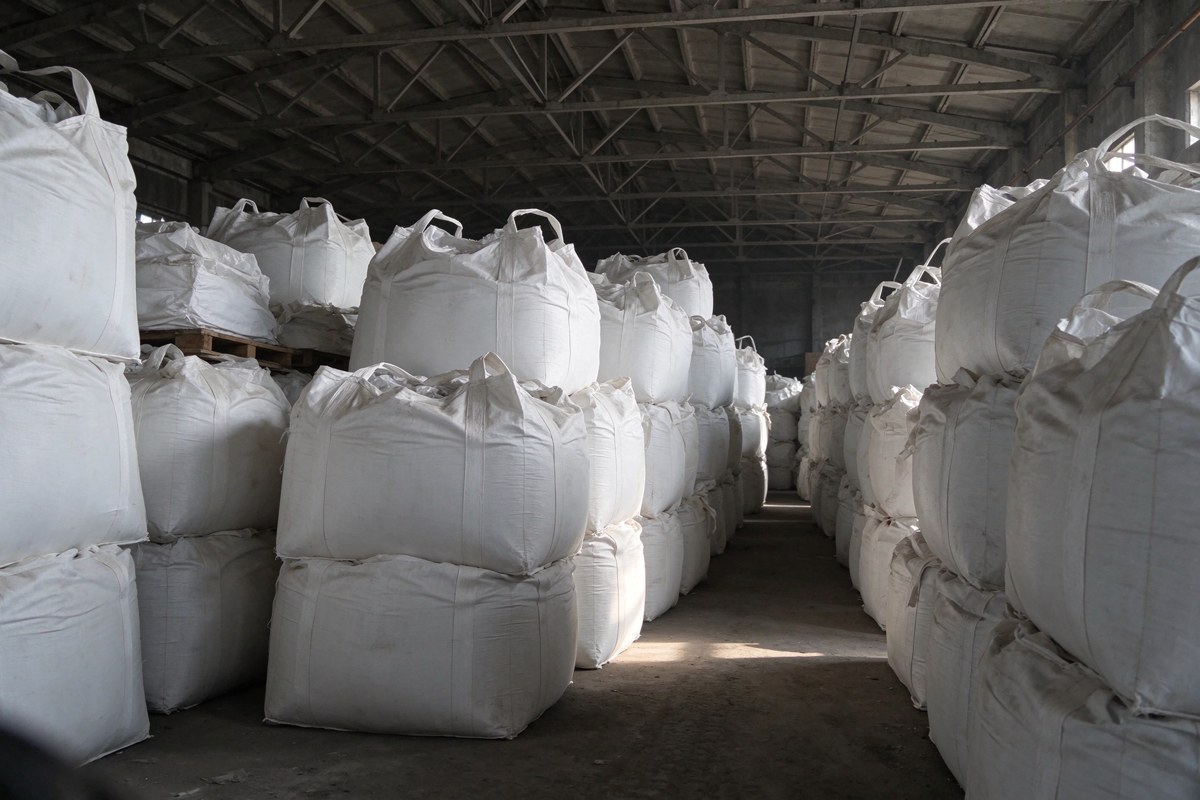
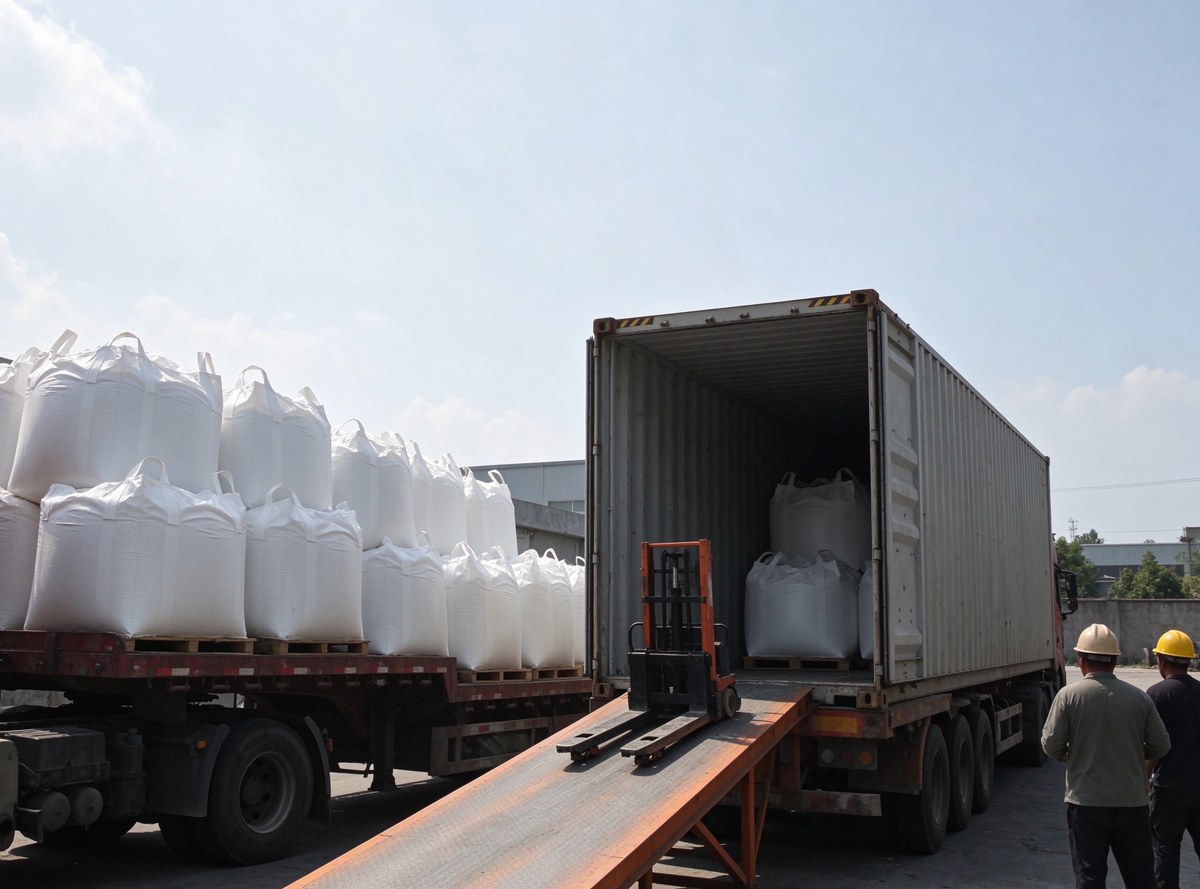
Packing: 25kg bag / 1000kg jumbo bag / 2000kg jumbo bag
Category:Steel Grit
Product Details
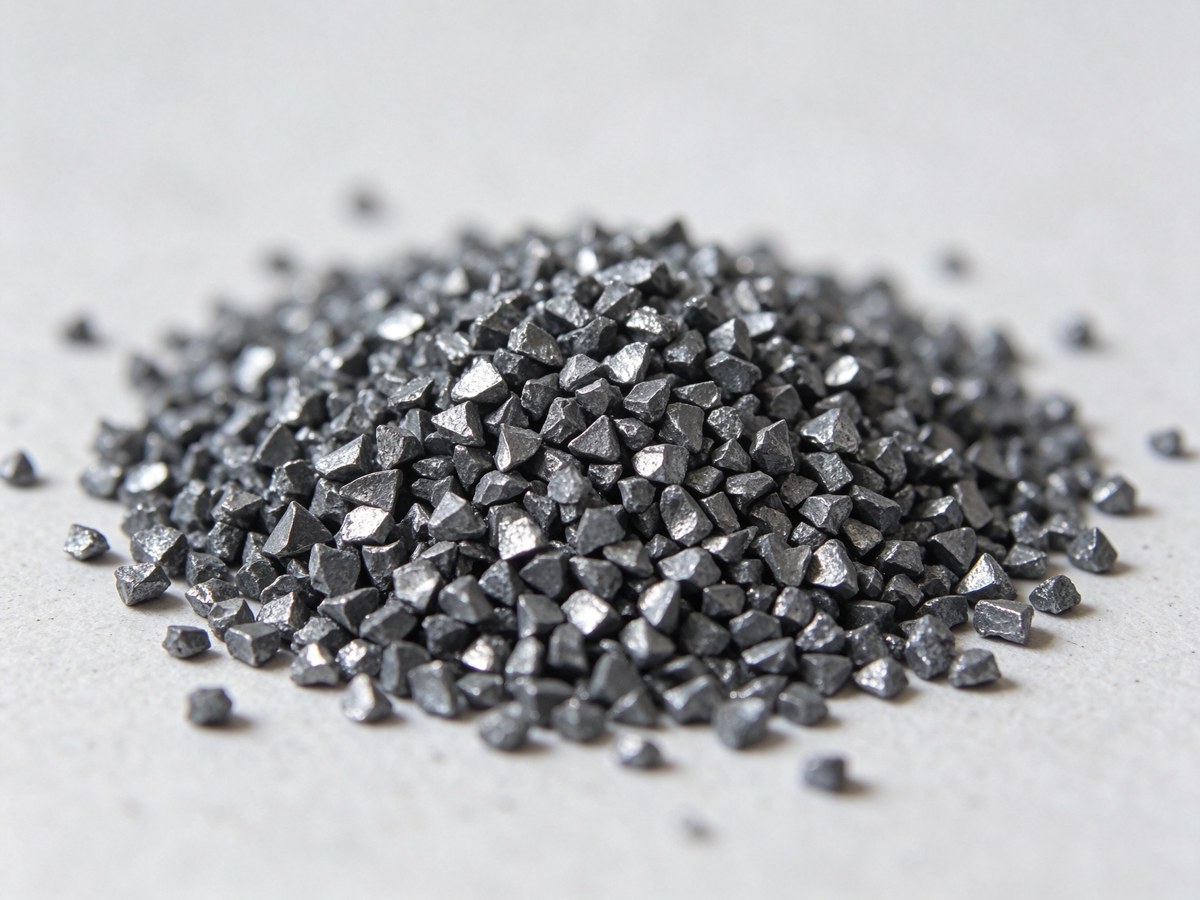
Steel grit is the angular member of the steel media family. It is made by crushing steel shot, then heat-treating to a controlled hardness, so the grains keep sharp edges and cut rather than peen. Where a shot blasting machine has to remove scale, sand or casting skin at speed, grit usually beats shot.
How Grit and Shot Differ
Shot is round and peens: it closes surface porosity, induces compressive stress and gives a satin finish. Grit is angular and cuts: it removes material, opens the surface and creates a profile for coating. Many machines run a blend, usually 70/30 grit-to-shot, so the grit does the cutting and the shot keeps the pattern even.
Hardness Classes
- GP, HRC 40–50 — tougher, slower to break down, the usual choice for continuous wheel and turbine machines
- GH, HRC 55–65 — harder and faster cutting, but breaks down sooner; good for short cleaning cycles and hard scale
If consumption is your main cost, GP usually wins. If cycle time is the bottleneck, GH cuts faster.
Typical Specification
| Carbon | 0.8–1.2% |
| Silicon | 0.4–1.2% |
| Manganese | 0.6–1.2% |
| Hardness | HRC 40–50 (GP) / 55–65 (GH) |
| Bulk density | 1.3–1.5 g/cm³ |
| Grain shape | Angular |
Grade Selection
| G12–G18 | Heavy scale, thick rust, castings with sand |
| G25–G40 | General steel plate, structural profiles, general descaling |
| G50–G80 | Finer cleaning, sheet, light oxide, prep before painting |
| G120 | Fine finishing and stone cutting (gang saw) |
Where It Is Used
- Wheel and turbine shot blasting machines in steel service centres
- Foundry cleaning of castings, forgings and heat-treated parts
- Descaling of hot-rolled plate, wire and bar
- Granite and marble gang saw cutting
- Structural steel and bridge fabrication lines
Consumption and Recycling
Steel grit is recovered by the machine’s separator and returned to the wheel, so consumption is measured in grams per tonne of steel cleaned rather than kilos per square metre. A well-set machine with the right airflow keeps consumption low; a badly tuned separator sends good grit into the dust collector and doubles the bill.
Packing
- 25 kg bags on pallets
- 1 tonne and 2 tonne jumbo bags
- Steel drums for smaller users
Common Questions
Grit or shot for a wheel machine?
Grit for cleaning and descaling, shot for peening and finishing, blends for both.
Does steel grit cause silica dust?
No — it is steel, not mineral. Dust comes from the workpiece, not the media.
What is the minimum order?
One tonne for a trial, full containers for the best price.
Get a Quote
Tell us the machine type, the workpiece and the finish you need, and we will recommend grit size and hardness. Contact us here or see the steel grit range.