Copper Slag for Shipyard & Offshore Blasting: SA2.5 and SA3
Item: Details
Product Name: Copper Slag Blasting Abrasive
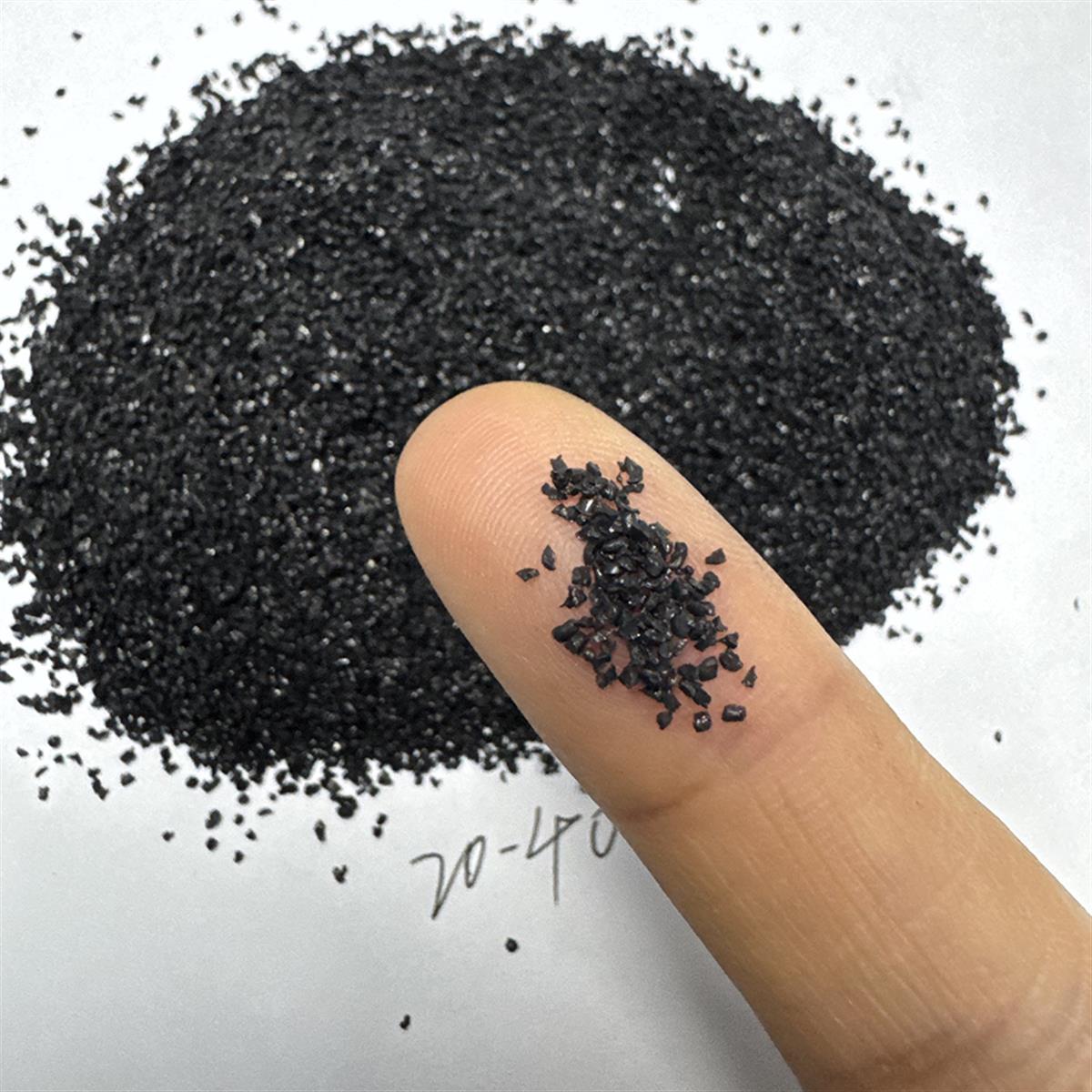
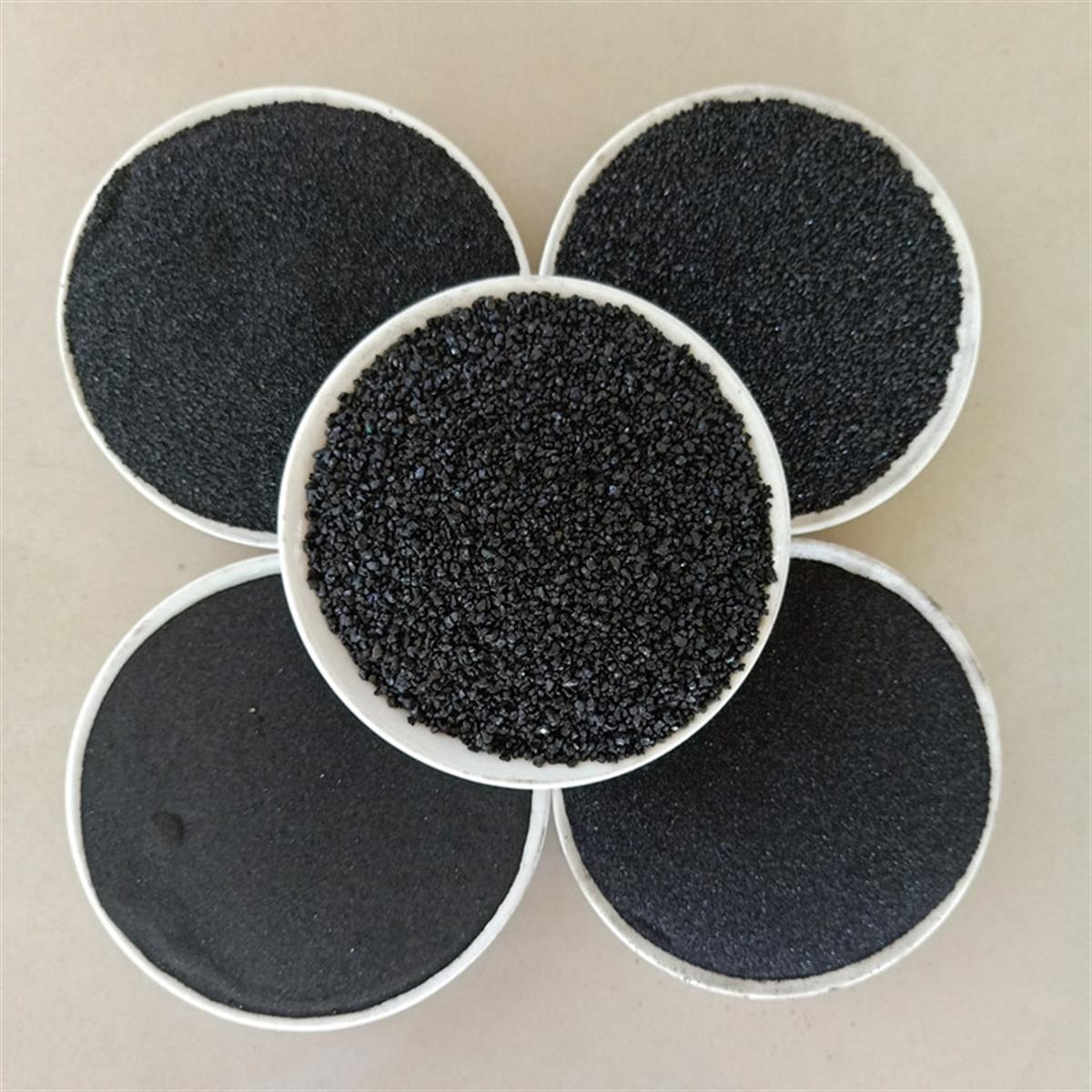
Grades: 5-10 mesh / 10-20 mesh / 20-40 mesh
Raw Material: Copper smelting slag, crushed and screened
Mohs Hardness: 6.0-7.0
Bulk Density: 1.4-1.6 g/cm3
Free Silica: less than 0.5%
Chloride Content: less than 25 ppm
Core Advantages: Fast cutting on thick plate, low dust, low free silica, low cost per square metre
Typical Use: Ship hulls, ballast tanks, offshore modules, storage tanks, heavy structural steel
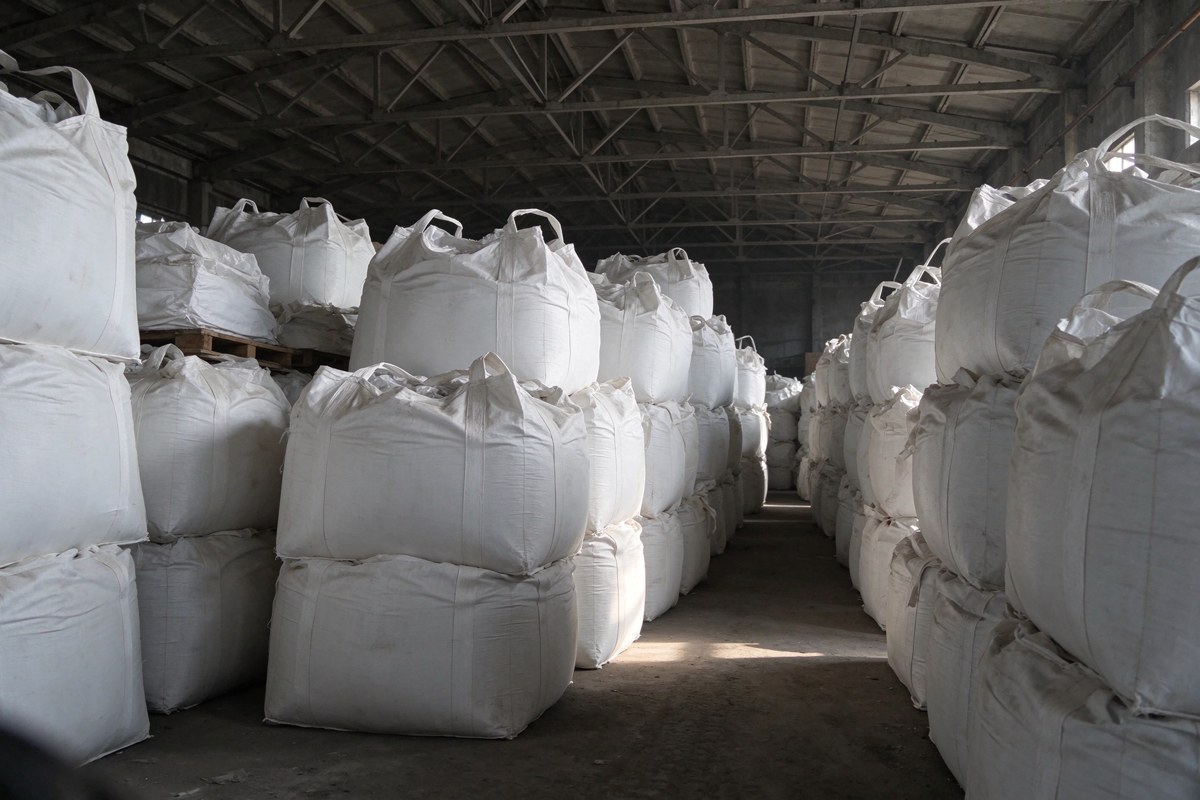
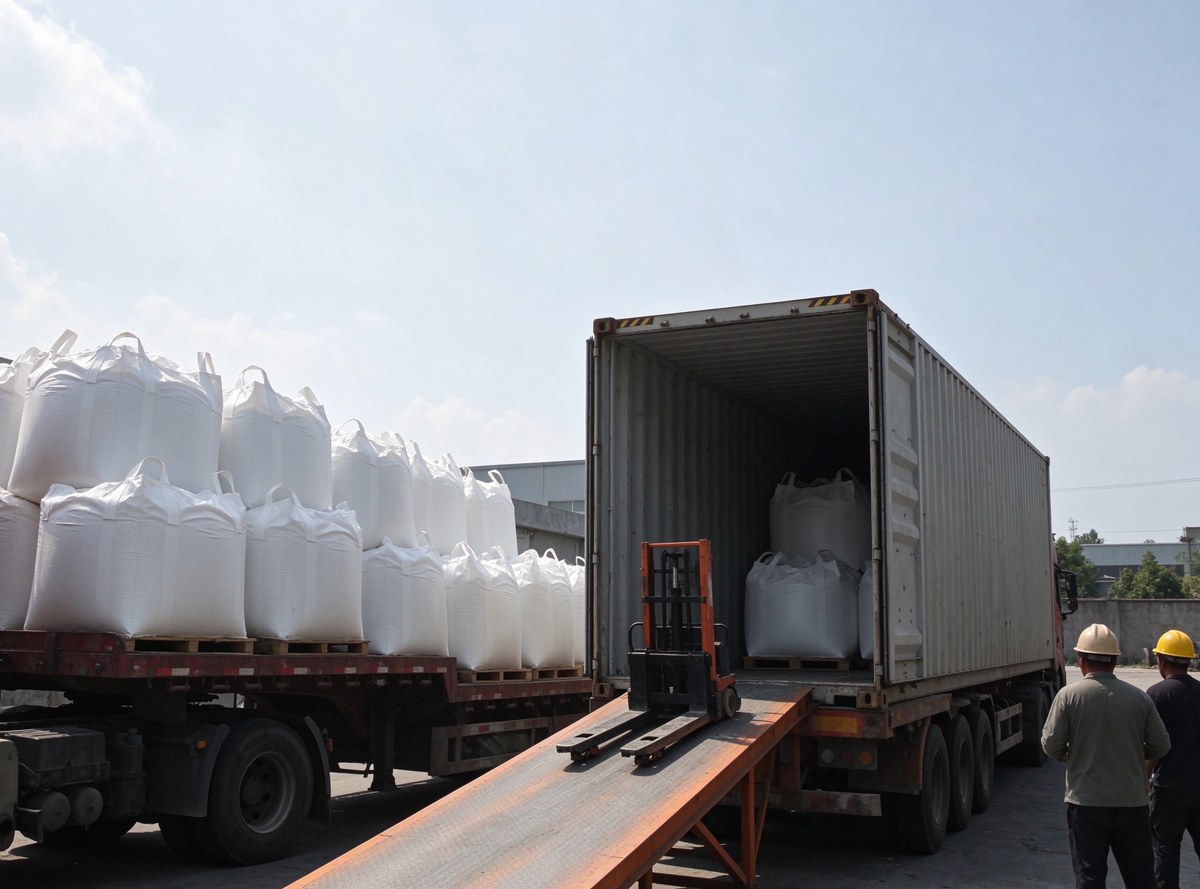
Packing: 25kg bag / 1000kg jumbo bag / 2000kg jumbo bag
Category:Copper Slag
Product Details
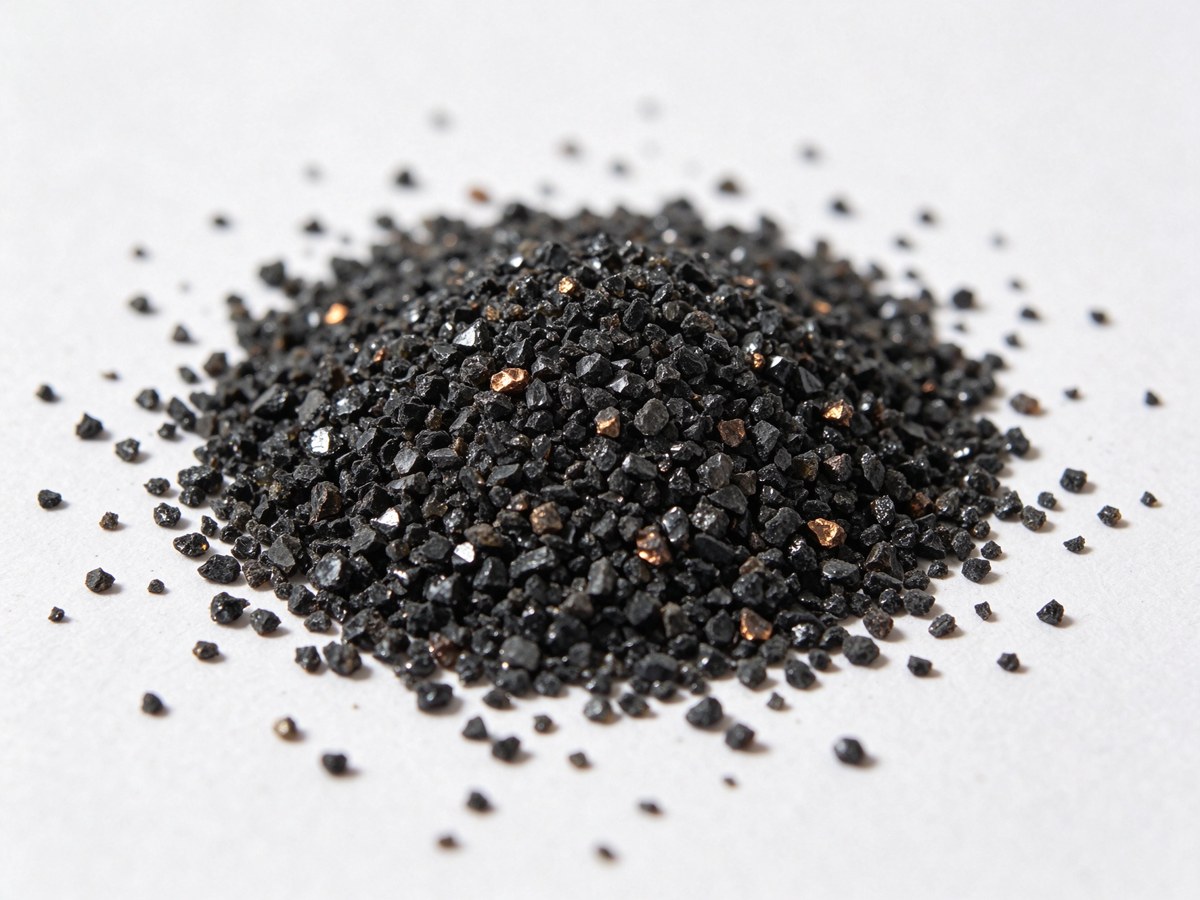
Copper slag is the workhorse abrasive in shipyards that blast thick plate all day and care about cost per square metre more than cost per tonne. It is a by-product of copper smelting, crushed and screened into angular glassy grains — dense, sharp, and free of the crystalline silica that makes sand blasting a health problem.
Why Shipyards Still Choose It
Three reasons come up in almost every enquiry: it cuts fast on 10–30 mm plate, it leaves a deep angular profile that heavy marine paint systems grip, and the price per tonne is lower than garnet or alumina. On a large hull where you are consuming tonnes per shift, that difference shows up in the contract price.
The trade-off is reusability. Copper slag breaks down faster than garnet or steel grit, so most yards treat it as a single-use abrasive. If your yard recovers and recycles media, garnet usually wins on total cost; if you blast once and sweep up, copper slag wins.
Choosing the Grade
- 5-10 mesh — heavy mill scale, thick rust, concrete and castings. Fastest cutting, coarsest profile.
- 10-20 mesh — the standard hull grade. SA2.5 at good speed with a 50–100 µm profile.
- 20-40 mesh — lighter oxide, thin coatings, and work where a finer, more even profile is specified.
Typical Specification
| Mohs hardness | 6.0–7.0 |
| Bulk density | 1.4–1.6 g/cm³ |
| Free crystalline silica | < 0.5% |
| Chloride content | < 25 ppm |
| Grain shape | Angular, glassy |
| Moisture | < 0.5% |
Typical chemistry runs around 35–40% Fe₂O₃, 30–35% SiO₂ and 10–15% Al₂O₃ — it is a slag, so the exact numbers move with the smelter batch. Ask for the batch report if your paint specification is strict.
Chloride and Soluble Salts
Offshore specifications do not just ask for “clean steel”; they ask for a surface free of soluble salts, because residual chloride under a coating is the main cause of early blistering and rust creep. Copper slag starts with low chloride, but it also picks up salt from the yard environment and from seawater-contaminated recovery. Two habits prevent trouble: store bags on pallets under cover, and test the blasted surface with the Bresle method before priming.
Packing and Loading
- 25 kg bags on pallets for yards that handle by hand
- 1 tonne and 2 tonne jumbo bags for crane or forklift handling
- A 20′ container carries about 25–27 tonnes in 1-tonne jumbo bags
- Samples of 1–2 kg for your own blast trial
Common Questions
Is copper slag banned anywhere?
Some regions restrict it for environmental reasons and several large groups have moved to garnet or steel media. Check your local rules before you commit to a long-term supply.
Can it reach SA3?
Yes on most plate with a slower pass or a second sweep. For very strict SA3 with tight profile control, 20-40 mesh or garnet gives more margin.
What is the minimum order?
One tonne for a trial, a 20′ container for full-container pricing. Mixed grades in one container are fine.
Get a Quote
Tell us the plate thickness, the blast standard and the profile your coating system needs, and we will come back with a grade recommendation, packing options and a landed price within 24 hours. Contact us here or see the full copper slag range.