Brown Fused Alumina F12-F220: Blasting, Bonded and Refractory
Item: Details
Product Name: Brown Fused Alumina (BFA)
Grades: F12 – F220 (FEPA), custom sizing on request
Chemical: Al2O3 94-96%, TiO2 1.5-3.5%, Fe2O3 less than 0.5%
Mohs Hardness: 9.0
True Density: 3.7-3.9 g/cm3
Bulk Density: 1.5-1.9 g/cm3
Core Advantages: Very tough grains, high hardness, low breakdown rate, good reuse in cabinets
Typical Use: Blast cabinets, surface preparation, bonded abrasives, coated abrasives, refractories
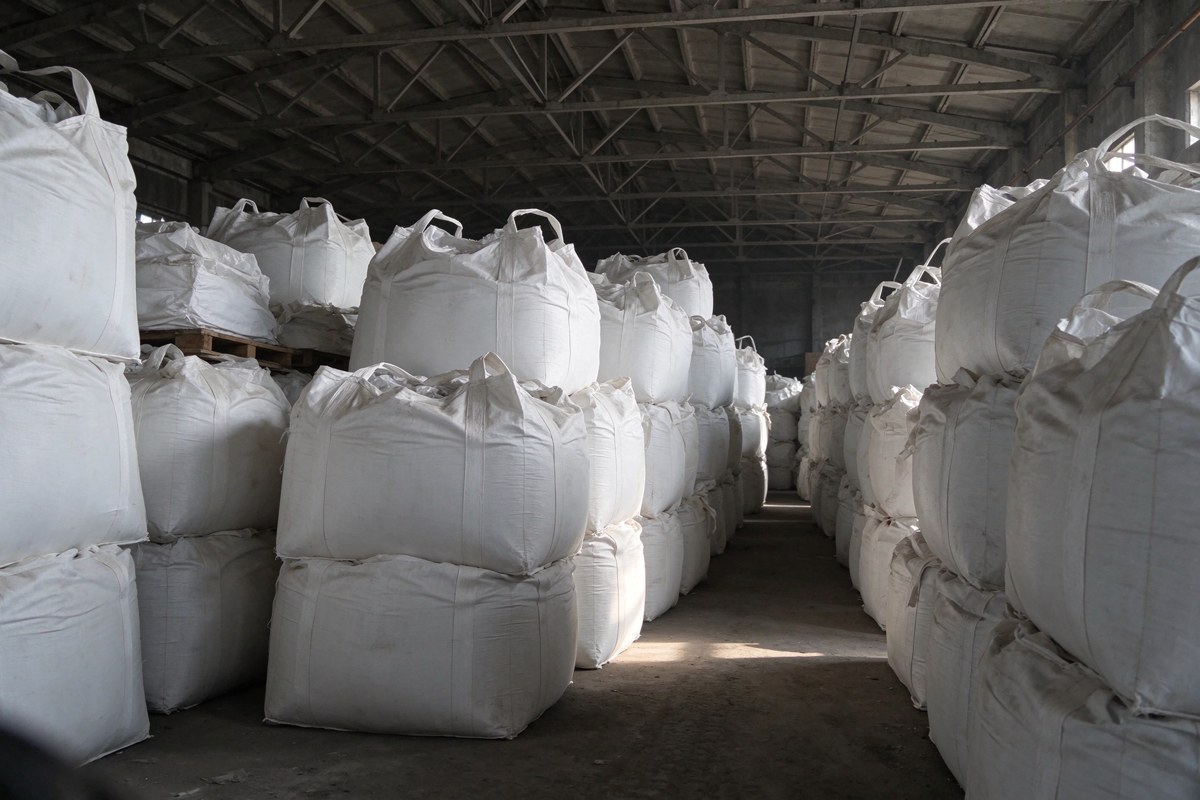
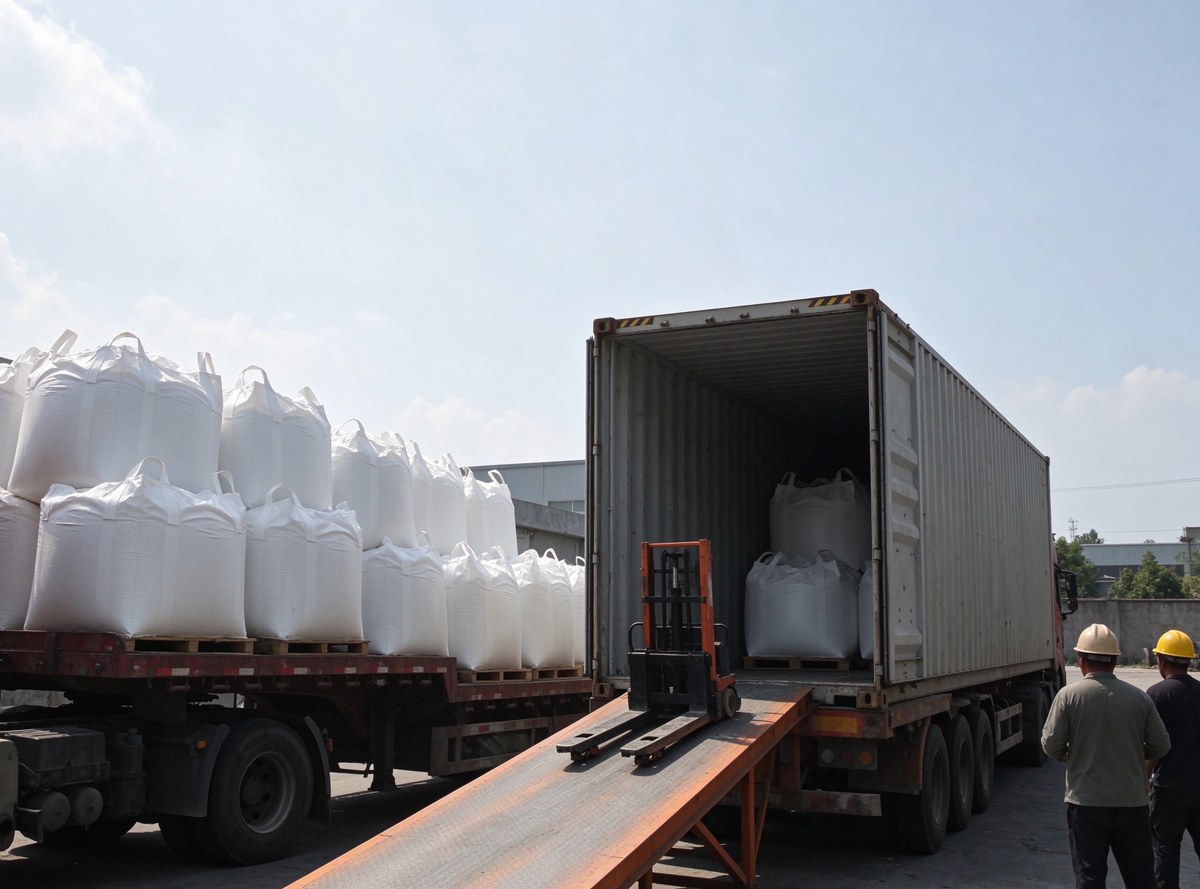
Packing: 25kg bag / 1000kg jumbo bag / 2000kg jumbo bag
Category:Brown Fused Alumina
Product Details
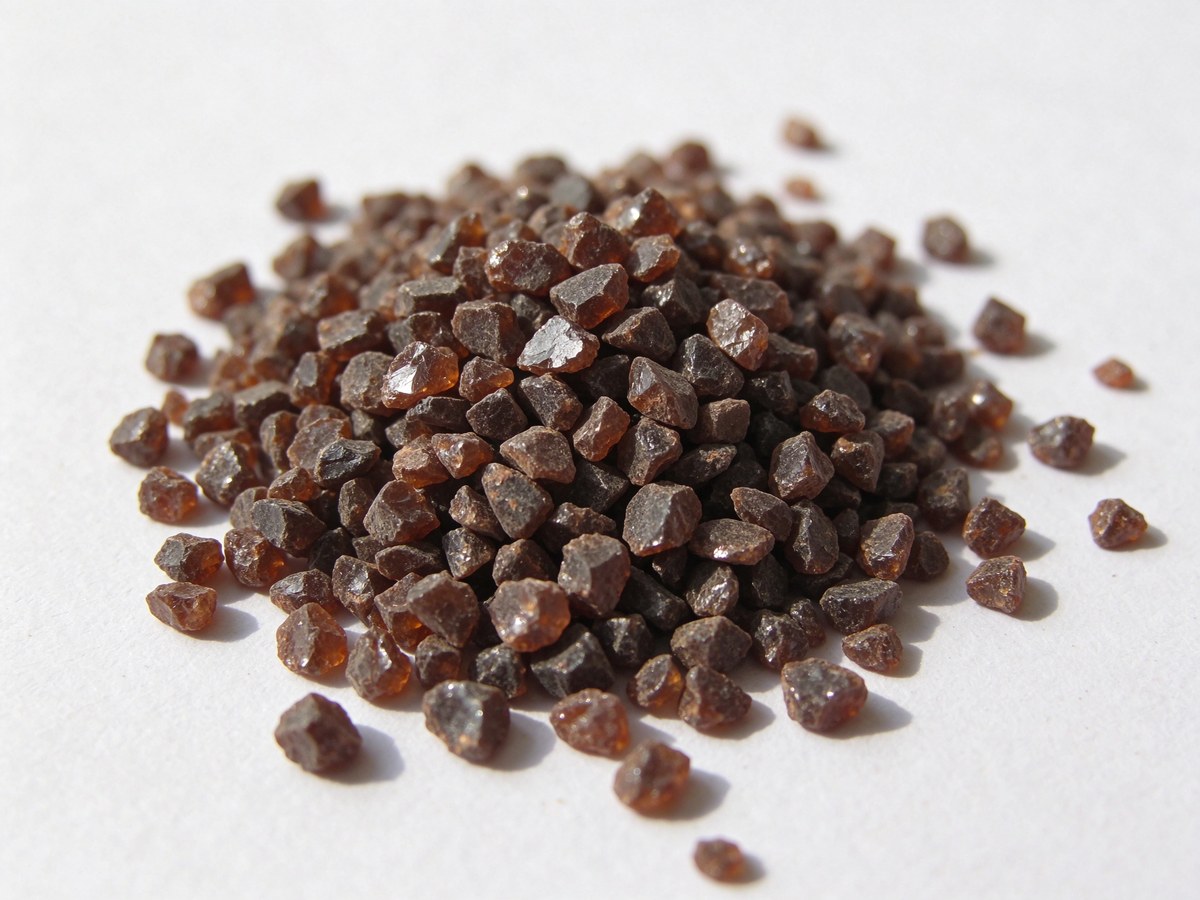
Brown fused alumina (BFA) is made by melting calcined bauxite in an electric arc furnace, then crushing and screening the cooled ingot. The result is a dense, tough, angular grain with a hardness close to diamond’s practical range for abrasives — which is why it outlasts most natural media in a blast cabinet.
What the F Numbers Mean
F12 to F220 is the FEPA grit sequence used for bonded and coated abrasives. Coarse F grades cut fast and leave a rough anchor; fine F grades produce a matte, uniform finish. In blasting work, the useful band is roughly F16–F120; below that the grains are too fine to cut steel efficiently and are better suited to lapping and polishing.
Typical Specification
| Al₂O₃ | 94–96% |
| TiO₂ | 1.5–3.5% |
| Fe₂O₃ | < 0.5% |
| SiO₂ | < 1.5% |
| Mohs hardness | 9.0 |
| True density | 3.7–3.9 g/cm³ |
| Grain shape | Angular, blocky |
Where BFA Earns Its Price
- Blast cabinets and closed systems — the low breakdown rate means less dust and fewer media top-ups per shift
- Surface prep before coating — a consistent angular profile on steel, aluminium and composites
- Bonded abrasives — grinding wheels, segments and honing stones
- Coated abrasives — belts, discs and paper where grain toughness matters
- Refractories and castables — high-alumina aggregate for linings
- Wear-resistant floors and blasting nozzles — aggregate in epoxy systems
BFA vs Garnet and Glass Bead
Against garnet, BFA is harder and cuts faster but costs more per tonne and is less kind to thin sheet. Against glass bead, it is far more aggressive — glass bead peens and finishes, BFA cuts. If your cabinet runs continuously and you recover media, BFA’s lower breakdown rate often closes the price gap within a few months.
Packing and Delivery
- 25 kg bags on pallets, or 1 tonne and 2 tonne jumbo bags
- Custom grit blends and single F grades on request
- Samples available for cabinet trials
Common Questions
Does BFA contain free silica?
No free crystalline silica. It is a fused alumina, not a natural sand.
Can I use F220 in a blast cabinet?
Yes for matte finishing and cleaning delicate parts, but cutting speed on steel drops sharply below F120.
Do you supply P grades as well?
F grades are standard; P (coated abrasive) sizing can be produced to order.
Get a Quote
Tell us the application, the grit range and whether your system recycles media, and we will recommend a grade and quote within 24 hours. Contact us here or browse the brown fused alumina range.